
close
Choose Your Site
Global
Social Media
Views: 0 Author: Site Editor Publish Time: 2025-11-13 Origin: Site


Wondering how long babies stay in newborn diapers? It’s a common question for new parents. Understanding when your baby will outgrow newborn diapers is important for planning ahead.
In this article, we will discuss the typical duration for newborn diapers, the factors that influence this, and when it’s time to size up. You’ll also learn how to manage diaper changes during this crucial stage of your baby’s growth.
For reliable diapering options, Diapersun offers high-quality diapers designed to keep your baby comfortable. Learn more about our products to find the perfect fit for your little one.
The duration of newborn diaper usage can depend on a variety of factors, such as birth weight, growth rate, and individual development. On average, babies will wear newborn diapers for about 2 to 4 weeks. However, this can vary significantly from baby to baby, so it’s important for parents to monitor their baby’s growth and adjust diaper sizes accordingly.
For most average-weight newborns, newborn diapers are worn for approximately 2 to 4 weeks, depending on how quickly they grow. Typically, babies who are born around average weight will stay in newborn diapers for about a month. However, if a baby is born on the larger side, they may outgrow newborn diapers sooner. Similarly, smaller babies may stay in newborn diapers a little longer before transitioning to the next size.
● Average weight newborns: Generally wear newborn diapers for about 2-4 weeks.
● Larger babies: May outgrow newborn diapers sooner, sometimes as early as 2 weeks.
● Smaller babies: May wear newborn diapers for a longer period, closer to 6 weeks.
Several factors influence how long a baby will stay in newborn diapers. The most important ones include birth weight, the baby’s growth rate, and overall health. Each baby grows at their own pace, so while some babies might quickly outgrow newborn diapers, others may take more time to transition.
Babies born weighing less than average might stay in newborn diapers for a longer time, as they grow into the size more gradually.
Babies with higher birth weights may grow out of newborn diapers quicker due to their faster growth rate.
Your baby’s growth trajectory plays a large role in how soon they move to the next diaper size. A baby who gains weight quickly will likely outgrow newborn diapers sooner.

As babies start developing better bladder control and their digestive systems mature, they may use fewer diapers, which might also influence when they transition out of newborn-sized diapers.
Birth Weight | Average Duration in Newborn Diapers | Notes |
Under 5 lbs | Up to 6 weeks | May stay longer if born smaller |
5-8 lbs | 2-4 weeks | Average-weight babies stay around 3 weeks |
Over 8 lbs | 2-3 weeks | Larger babies may outgrow newborn diapers faster |
Keep track of your baby’s weight and growth patterns to determine when it’s time to move on to the next size. Be mindful that every baby is different, so growth rates can vary significantly.
While it’s important to monitor your baby’s growth, there are a few clear signs that indicate it’s time to size up. Knowing when to transition from newborn diapers to the next size can prevent discomfort and leakage, ensuring your baby remains comfortable.
1. Tightness: If the diaper feels tight around your baby’s waist or legs, it may be time for a larger size. Tight diapers can cause discomfort and even leave red marks on your baby’s skin.
2. Frequent Leaks: If your baby’s diaper is leaking, it might indicate that the diaper size is no longer sufficient to contain waste. This can happen if the diaper is too small and doesn’t offer proper coverage or absorbency.
3. Waistband Adjustment: If the diaper’s waistband no longer reaches the front comfortably, or if it feels stretched, it’s likely time to move to a bigger size.
4. Signs of Discomfort: If your baby is fussier than usual or seems uncomfortable, it could be due to the diaper size. An ill-fitting diaper can cause chafing or restrict movement.
Once your baby exceeds the weight limit for newborn diapers (around 10 pounds or 4.5 kg), it’s a clear indicator that it’s time to switch to Size 1 diapers. This transition ensures that your baby stays comfortable and dry while continuing to grow.
When transitioning, make sure to choose a diaper that fits snugly but isn’t too tight, and always check for signs of discomfort or leaks as they grow.
It’s important to stock up on enough newborn diapers to get you through the first few weeks. Newborns tend to use a lot of diapers in the early stages, so planning ahead is key.
On average, a newborn uses about 8 to 12 diapers per day, especially during the first few weeks. Given that, it’s a good idea to have at least a two-week supply (around 160-240 diapers) for the initial phase.
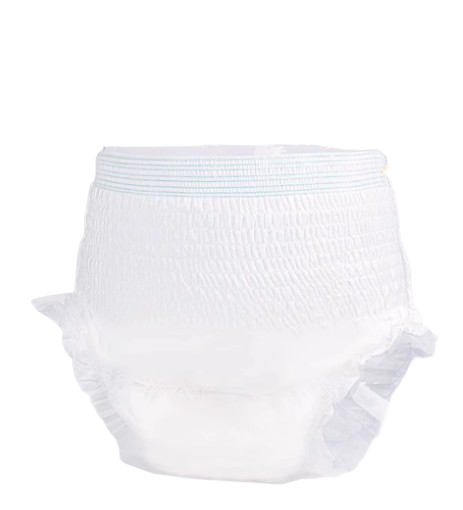
While the exact number of diapers may vary depending on your baby's needs, it’s recommended to have an ample supply of newborn diapers on hand. However, avoid overstocking since babies quickly outgrow this size.
As your baby grows, the number of diapers required will decrease, and you'll be able to switch to larger sizes. Keep track of your baby’s growth and weight to know when it’s time to upgrade to the next diaper size.
Understanding the differences between newborn diapers and larger sizes can help you anticipate when to move up a size.
Newborn diapers are designed for babies weighing up to 10 pounds (around 4.5 kg). Once your baby exceeds this weight, or the diaper becomes too tight, it’s time to move on to Size 1 diapers, which typically accommodate babies between 8-14 pounds (3.6-6.4 kg).
Diaper Size | Weight Range | Diaper Fit | When to Switch |
Newborn | Up to 10 lbs | Snug fit | When baby exceeds 10 lbs or when leaks or tightness occur |
Size 1 | 8-14 lbs | More room | Switch when the newborn size feels tight or uncomfortable |
The switch to Size 1 usually happens when your baby is over 10 pounds, or when you notice signs of discomfort with newborn diapers, such as frequent leaks or difficulty fastening the diaper.
Newborn diapers offer a snug fit for babies weighing under 10 pounds. As your baby grows, their needs will change, and a larger diaper size will provide more room and better fit. Be sure to monitor the weight and fit of your baby’s diapers regularly to avoid leaks and discomfort.
Monitoring how many diapers your baby uses will help you plan and ensure you never run out of diapers at a critical moment.
To help you keep track of your baby’s diaper usage, consider using a diaper tracking app like Baby Connect. These apps allow you to log diaper changes, track your baby’s urination and bowel movements, and even monitor diapering patterns.
Regular weight checks at well-baby visits will help you determine when it’s time to move to the next size. Tracking your baby’s growth ensures you know when to adjust the diaper size for comfort and protection.
Regularly check the diaper fit to make sure it’s not too tight or too loose. A well-fitting diaper prevents leaks and ensures your baby stays comfortable, especially as they grow and become more active.
Taking care of your newborn's diapering needs involves more than just choosing the right diaper size. It’s also important to develop healthy diapering habits.
Newborns typically require a diaper change every 2-3 hours or whenever their diaper becomes soiled after feeding. Frequent changes help keep your baby’s skin healthy and prevent diaper rashes.
Use gentle wipes or warm water and a soft cloth to clean your baby’s bottom during diaper changes. This helps prevent skin irritation and keeps your baby comfortable.
Pay attention to the frequency and consistency of your baby’s urination and bowel movements. Ensuring that your baby is properly hydrated and nourished will also help regulate diaper usage.
As your baby grows, their diapering needs will change, and they will gradually move on to larger diaper sizes.

Once your baby weighs over 10 pounds, it's usually time to move to Size 1 diapers. However, some babies may remain in newborn diapers longer, depending on their growth.
As your baby grows and their digestive system matures, you’ll find that the frequency of diaper changes will decrease. However, larger diapers will also accommodate your growing baby, ensuring they stay dry and comfortable for longer periods.
Understanding how long babies stay in newborn diapers is key for new parents. Typically, babies wear them for 2 to 4 weeks, though growth rates vary. By monitoring your baby’s weight, you can ensure the right fit. For a superior diapering experience, Diapersun offers high-quality diapers designed for comfort and leak protection, keeping your baby dry and comfortable.
Regularly assess your baby’s diaper fit to ensure maximum comfort and prevent leaks as they grow.
A: Babies usually wear newborn diapers for 2 to 4 weeks. This can vary based on their birth weight and growth rate.
A: It’s time to switch when the diaper feels too tight, leaks, or no longer fits snugly around the waist and legs.
A: Newborns typically use 8-12 diapers a day, especially in the first few weeks.
A: Babies who are smaller at birth may stay in newborn diapers longer, as they grow more gradually.


