
close
Choose Your Site
Global
Social Media
Views: 0 Author: Site Editor Publish Time: 2026-02-24 Origin: Site


Wondering how many size 1 diapers do i need for your newborn? Most parents find they need a lot—newborns usually go through 8 to 12 diapers each day. That means you can expect to use around 280 diapers in just one month. Babies typically wear size 1 diapers for about 1 to 2 months, especially if they weigh between 8 and 14 pounds. Diapersun Baby Diapers make a smart choice for parents who want comfort and reliability. Every baby is different, so don't stress if your diaper needs change. Keep a few extra packs on hand, and adjust as your baby grows.
Newborns use 8–12 diapers daily.
Plan for about 245–280 diapers per month.
Size 1 diapers fit babies from 8–14 pounds.
Tip: Babies grow fast! Watch for signs that your little one is ready for the next size.
Newborns typically use 8 to 12 diapers each day, so plan for about 245 to 300 diapers per month.
Size 1 diapers fit babies weighing between 8 and 14 pounds and are usually worn for 1 to 3 months.
Watch for signs like leaks or red marks to know when it's time to switch to a larger diaper size.
Buying diapers in bulk can save money, but keep a mix of sizes to avoid waste as your baby grows.
Check the fit regularly to ensure comfort and prevent leaks, adjusting your supply as needed.
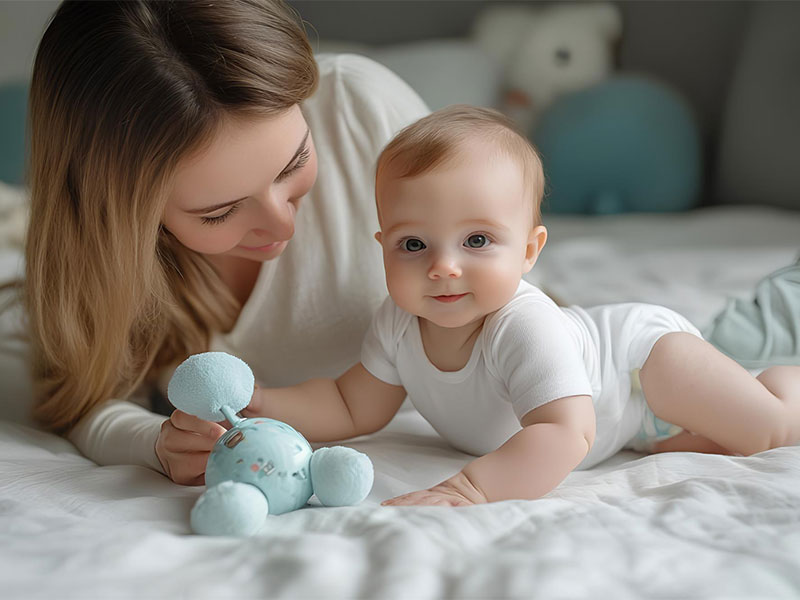
You might wonder how many size 1 diapers do i need each day for your newborn. Most parents change diapers often because newborns have tiny bladders and fast digestion. You can expect to use between 8 and 12 diapers every day. This number can go up if your baby is breastfed, since breastfed babies usually have more frequent bowel movements. Here’s what you can expect:
Newborns may use up to 10 diapers per day, averaging about 70 diapers per week.
Most parenting surveys report 8 to 12 diaper changes daily during the first month.
Babies in North America use about 3,000 diapers in their first year, which means lots of changes in the early months.
If you want a reliable option, Diapersun Baby Diapers offer comfort and protection for your little one. You can buy them in bulk, which makes life easier and saves money.
Now, let’s break down how many size 1 diapers do i need for a month. With 8 to 10 changes each day, you’ll go through about 250 to 300 diapers every month. That’s a lot! You might feel overwhelmed, but planning ahead helps. Most diaper packs contain 40 diapers. If you use 280 diapers in a month, you’ll need about 7 packs. If your baby stays in size 1 diapers for 1.4 months, you’ll need around 13 packs.
Here’s a quick table to help you see the numbers:
Pack Size | Diapers per Pack | Packs Needed per Month | Total Diapers Needed (1.4 months) |
|---|---|---|---|
Standard | 40 | 7 | 13 packs (520 diapers) |
You can stock up on Diapersun Baby Diapers in bulk or wholesale packs. This makes it easy to keep enough diapers at home and choose eco-friendly options.
Tip: Keep both newborn and size 1 diapers on hand before your baby arrives. Babies grow fast, and you’ll want to be ready for size changes.
Babies grow at their own pace, so you might ask how many size 1 diapers do i need before moving up. Most babies wear size 1 diapers for about 1 to 3 months. If your baby weighs between 8 and 14 pounds, size 1 diapers fit best. Growth rate affects how long your baby stays in this size. Some babies move up quickly, while others stay in size 1 diapers longer.
Here’s what experts say:
Healthline recommends using size 1 diapers for 2 to 3 months.
Most babies need between 500 and 700 diapers during this stage.
If your baby grows fast, you might use fewer size 1 diapers.
You can trust Diapersun Baby Diapers to keep your baby comfortable during this stage. Their eco-friendly materials and bulk options make diapering simple and worry-free.
Note: Every baby is unique. Watch for signs that your baby needs a bigger size, like leaks or tightness around the legs.
Your baby's weight and growth play a big role in how many diapers you will need. Size 1 diapers usually fit babies who weigh between 8 and 14 pounds. If your baby grows quickly, you might move up to the next size sooner. Some babies stay in size 1 for just a few weeks, while others use them for a couple of months. Always check the fit. If you notice leaks or red marks, it might be time to switch sizes.
Size 1 diapers fit babies from 8 to 14 pounds.
Fast-growing babies may need fewer size 1 diapers.
Slower-growing babies might use more size 1 diapers.
Feeding habits can change how many diapers you go through each day. Breastfed babies often have more frequent, softer stools, especially in the first weeks. Formula-fed babies usually have fewer dirty diapers, and their stools are firmer. If you use both breast milk and formula, your baby's diaper output may fall somewhere in between.
Here’s a quick look at the differences:
Diaper Type | Breastfed Babies | Formula-Fed Babies |
|---|---|---|
Wet Diapers | About six or more wet diapers in 24 hours | About six or more wet diapers in 24 hours |
Dirty Diapers | More frequent, yellow, soft, loose stools | Fewer, firmer, darker stools (tan or brown) |
No matter how you feed your baby, healthy diaper output means regular wet diapers and soft stools.
Many parents try different brands to find the best fit for their baby. You might wonder how many diapers to buy before you settle on a favorite. Comfort and safety matter most. Look for diapers made from soft, hypoallergenic materials to protect your baby's skin. Features like stretchy waistbands, wetness indicators, and breathable fabrics make diaper changes easier and help prevent leaks.
Diapersun Baby Diapers offer:
Comfort: Soft, flexible materials for a snug fit.
Fit: Stretchy waistbands and leg cuffs to keep leaks away.
Absorbency: High absorbency to keep your baby dry.
Special Features: Wetness indicators for easy checks.
Eco-friendly options and bulk packs for convenience.
Choosing the right diapers can make your daily routine smoother and keep your baby happy.

You want to have enough diapers at home, but you don’t want to end up with too many. Babies grow fast, and leftover diapers in the wrong size can go to waste. Here’s a simple table to help you keep the right balance:
Best Practice | Description |
|---|---|
Check shelf life | Ask for the manufacturing and expiration dates. Look for at least 12–18 months left. |
Understand size distribution | Figure out how many diapers you need for each size. Babies move up sizes quickly. |
Maintain a balanced mix | Keep a mix of sizes if you buy in bulk. This helps you avoid having too many of one size. |
Use inventory management | Try to use older diapers first. Store new packs behind older ones. |
You can always keep a few extra packs, but don’t fill your closet with size 1 diapers. Watch your baby’s growth and adjust your supply as needed.
Storing diapers the right way keeps them fresh and ready to use. Here are some easy tips:
Store diapers in a cool, dry place. Avoid damp basements or hot attics.
Keep diapers in their original packaging until you need them.
Stack new packs behind older ones so you use the oldest diapers first.
Check the expiration date before opening a new pack.
If you buy in bulk, make sure you have enough space. Diapersun offers bulk and wholesale options, so you can save money and always have diapers on hand.
You want to save money while keeping your baby comfortable. Here’s how you can get the best deals on diapers:
Compare prices at different stores. Look at the price per diaper, not just the total pack price.
Buy large packages from wholesale stores. Bigger packs usually cost less per diaper.
Consider store brands or generic diapers for lower prices.
Watch for sales and coupons on name brands.
Diapersun Baby Diapers come in bulk and wholesale packs, making it easy to stock up and save.
Tip: Always check the package size and unit price before you buy. This helps you get the most for your money.
With these tips, you can keep your baby happy, avoid running out, and stick to your budget.
You might wonder when your baby needs a bigger diaper. Babies grow fast, and sometimes you miss the signs. If you notice leaks or your baby wakes up wet, it’s time to check the fit. Red marks on your baby’s legs or a waistband that feels tight also mean the diaper is getting too small. Some babies even try to pull off their diaper when it feels uncomfortable.
Here are clear signs you should move up from size 1:
Your baby’s diaper starts to leak.
Leaks happen during the night.
Red marks appear on your baby’s legs.
The waistband feels snug.
Your baby pulls off their diaper.
You can also look for fit issues. If you see gaps around the legs and waist, the diaper might be too loose and cause leaks. Overlapping tabs mean the diaper is too big. Excessive sagging shows you need a smaller size for a better seal.
Tip: Always check the fit after each change. Babies grow quickly, and the right size keeps them comfortable.
You probably ask yourself how many newborn diapers you need before switching to size 1. Most babies use newborn diapers for the first few weeks. If your baby weighs between 8 and 10 pounds, you can start using size 1 diapers. Some babies skip newborn diapers if they weigh 10 pounds or more at birth.
Babies usually stay in newborn diapers for about two to three weeks. You might use around 240 newborn diapers during this time. If your baby grows fast, you’ll switch to size 1 diapers sooner. Size 1 diapers fit babies from 8 to 14 pounds, and most babies stay in this size for two to three months.
Here’s a quick table to help you plan:
Diaper Size | Weight Range | Average Duration | Estimated Diapers Used |
|---|---|---|---|
Newborn diapers | Up to 10 lbs | 2-3 weeks | 240 |
Size 1 diapers | 8-14 lbs | 2-3 months | 500-700 |
If you’re unsure how many newborn diapers to buy, start with a small pack. Watch your baby’s weight and growth. You can always add more if needed.
Note: Every baby is different. Keep both newborn diapers and size 1 diapers ready so you don’t run out.
You now know what to expect when buying size 1 diapers. Every baby is unique, so stay flexible and adjust as your little one grows. Here’s a quick look at the numbers:
Key Consideration | Quantity Needed |
|---|---|
Diapers per day for newborns | 8 to 12 diapers |
Total Size 1 diapers for 2-3 weeks | 500 to 700 diapers |
Total Size 1 diapers if used from birth | 900 to 1,200 diapers |
To make things easier:
Pick diapers with comfort and safety in mind, like Diapersun Baby Diapers.
Check the fit often and move up a size when needed.
Buy in bulk and watch for deals to save money.
Remember, your baby’s needs will change. Stay flexible and enjoy every moment!
You can start with 7 to 10 packs of size 1 diapers. This gives you enough for the first month. You can always buy more if your baby stays in size 1 longer.
Yes, you can use size 1 diapers if your baby weighs at least 8 pounds. If your baby is smaller, newborn diapers fit better. Check the fit after each change.
You can donate unused diapers to local charities or share them with friends. Some stores accept unopened packs for returns or exchanges.
Look for snug waistbands and no gaps around the legs. If you see leaks or red marks, try the next size. Your baby should move freely and stay dry.
Diapersun Baby Diapers use hypoallergenic, non-toxic materials. You can trust them for comfort and safety, even if your baby has sensitive skin.


