
close
Choose Your Site
Global
Social Media
Views: 0 Author: Site Editor Publish Time: 2026-04-29 Origin: Site


Expectant parents often face a common dilemma while nesting. You want your nursery fully prepared for your new arrival. However, you also want to avoid wasting money on endless boxes of outgrown diapers. Striking the right balance feels incredibly challenging before you meet your baby.
Newborn growth rates remain notoriously unpredictable. A baby's birth weight and unique body composition dictate size changes much more than their actual age. A long, lean infant will fit into early sizes very differently than a shorter, chunkier baby. You simply cannot rely on standard age timelines alone to plan your nursery stock.
This guide provides a practical, evidence-based roadmap to help you navigate early infancy. You will learn exactly how to calculate your initial supply without overbuying. We will also teach you how to read the physical signs for sizing up and how to make truly cost-effective purchasing decisions moving forward.
Average Duration: Most babies wear newborn diapers for 2 to 4 weeks, though babies born over 8.5 lbs may skip them entirely.
Daily Usage: Expect 8 to 12 diaper changes per day (approximately 70-85 per week).
Stocking Rule of Thumb: Purchase no more than 1 to 2 boxes of newborn size; invest heavily in Sizes 1 and 2.
Upgrade Signals: Frequent leaks (blowouts), red indentations on the thighs, and tight waistbands are the primary indicators it is time to size up.
Most brands design their smallest sizes for a very specific weight class. These early options generally target babies weighing under 10 pounds. This data-driven baseline provides a starting point, but it rarely tells the whole story. Many first-time parents mistakenly believe their child will stay in this introductory stage for months. The reality proves much shorter.
We must look at standard pediatric data to understand the weight variable. According to the American Academy of Pediatrics (AAP), average full-term birth weights range from 5.5 pounds to just under 9 pounds. This vast spectrum explains why early sizing feels so unpredictable. Parents naturally wonder how long do babies stay in diapers of this smallest category. The answer depends heavily on your starting point.
Consider two very common birth scenarios:
Scenario A (6-7 lbs): Infants born in this percentile usually wear early sizes for 4 to 6 weeks. They have enough growing room to maximize a few standard boxes before graduating to the next tier.
Scenario B (8-9 lbs): Infants born heavier often outgrow this stage in under a week. Many of these babies skip directly to Size 1 before they even leave the hospital recovery room.
You must embrace the implementation reality of infant clothing. "Newborn" acts purely as a weight category. It never functions as an age milestone. Length and thigh circumference also play significant roles in how long a specific brand fits. A tall baby might quickly outgrow the vertical rise. A rounder baby might strain the side tabs early on. Observe your child's unique proportions rather than strictly reading the packaging guidelines.
Parents often encounter intense confusion during the transition period. A standard baby diaper size chart shows a significant overlap between the first two stages. Most newborn diapers technically accommodate infants up to 10 pounds. Meanwhile, Size 1 typically fits babies weighing between 8 and 14 pounds. This 2-pound overlap creates a frustrating dilemma for tired parents.
You need clear evaluation criteria to navigate this overlap successfully. We recommend looking at two primary factors: absorption capacity and fit security. These metrics will tell you exactly which option suits your child best on any given day.
Absorption capacity matters deeply as your baby begins drinking more milk. Size 1 holds significantly more liquid than its smaller counterpart. If your baby weighs 9 pounds and feeds heavily, Size 1 prevents night leaks far better. Fit security serves as your second crucial metric. The smallest sizes sit lower on the waist by design. This lower rise specifically accommodates the healing umbilical stump. Once the stump falls off, you no longer need this specialized low-rise cut.
Feature | Newborn Size (< 10 lbs) | Size 1 (8 - 14 lbs) |
|---|---|---|
Umbilical Stump Cutout | Almost always included | Rarely included (higher rise) |
Liquid Capacity | Low to Moderate | High |
Best Used For | First 2-4 weeks, healing belly buttons | Months 1-3, heavier wetters |
Apply simple decision logic when your child hits the 8.5-pound mark. If frequent leaks occur, default immediately to the larger size. Many parents stubbornly try to finish their remaining small boxes. This mistake leads to messy crib sheets and unnecessary laundry. Prioritize your infant's hygiene and your own sleep over finishing an outdated pack.
You cannot rely on the bathroom scale alone to dictate your transitions. Scales measure overall mass, but they ignore body shape entirely. You need an experience-backed, verifiable checklist to evaluate the current fit accurately. Pay close attention to these three physical indicators during your daily changes.
Out-peeing or out-pooping the absorbency limit remains the absolute number one sign of an outgrown fit. You might notice frequent side leaks even if the tabs still fasten smoothly. The absorbent core simply cannot handle the sheer volume of liquid anymore. A sudden, unexplained increase in messy blowouts indicates you need more rear and side coverage. Do not blame your folding technique or the brand quality immediately. Your infant likely just needs the next size up to contain the mess effectively.
Skin indentations provide another glaring warning sign. You must learn to differentiate between normal sleep creases and persistent, elastic-driven red marks. Sleep creases fade very quickly after a few minutes of air time. However, angry red marks on the upper thighs look like severe rubber band indentations. These marks stay visible long after you remove the garment. A tight waistband can also cause friction around the belly. If you see persistent redness, the elastic is working too hard against your baby's growing body.
We highly recommend performing the standard two-finger fit test regularly. Slide two fingers comfortably under the fastened waistband while your baby rests on their back. If your fingers cannot fit, the garment restricts their breathing and digestion. Check the Velcro placement next. The fastening tabs should easily reach the center of the front landing zone. The size is definitively too small if the tabs only stretch to the very outer edges of the hips. Sizing up will immediately improve their daily comfort.
Let us map out the financial reality of early infancy. You will use approximately 200 to 300 diapers during the very first month alone. Most fresh arrivals require 8 to 12 changes per day. This usage rate drops slightly as they grow, but the early weeks demand a massive, readily available supply.
You need strong risk mitigation strategies to avoid wasting money. We advise buying just one small pack for your hospital bag. Keep in mind that hospitals often provide enough supplies for your entire inpatient stay. Sometimes they even send you home with extras. Keep your bulk boxes at home completely unopened. Major retailers willingly exchange unopened boxes if your baby outgrows them faster than anticipated. This single step saves countless families from discarding perfectly good supplies.
Age Phase | Estimated Daily Usage | Monthly Total |
|---|---|---|
Weeks 1 - 4 | 8 to 12 changes | ~ 300 diapers |
Months 2 - 4 | 7 to 9 changes | ~ 240 diapers |
Months 5+ | 6 to 8 changes | ~ 210 diapers |
Your baby registry strategy requires careful forward-thinking. We strongly advise expectant parents to request Sizes 1, 2, and 3 on their registries. These larger sizes offer the highest long-term return on investment. Your child will likely spend several months in Size 3. Friends and family love buying the tiny, cute packages, but you must guide them toward the more practical, long-lasting sizes. A closet stocked with Size 2 provides far more peace of mind than a mountain of outgrown early sizes.
You must focus on feature-to-outcome evaluation when selecting your early supplies. The market offers endless options, but specific design elements matter deeply for delicate, freshly born skin. When evaluating nappies for newborns, you should prioritize three crucial features to ensure safety and comfort.
Umbilical Cord Notch: This specialized front cutout prevents dangerous friction on the healing stump. It allows the area to remain exposed to the air, which accelerates the drying and healing process significantly.
Wetness Indicator: A simple color-changing strip eliminates frustrating guesswork for sleep-deprived parents. You can instantly see if a change is necessary without undressing your sleeping baby in the dark.
Hypoallergenic Materials: The highly permeable, sensitive skin of the first 30 days requires pure contact. You need materials free from harsh fragrances, lotions, and heavy dyes to prevent painful diaper dermatitis.
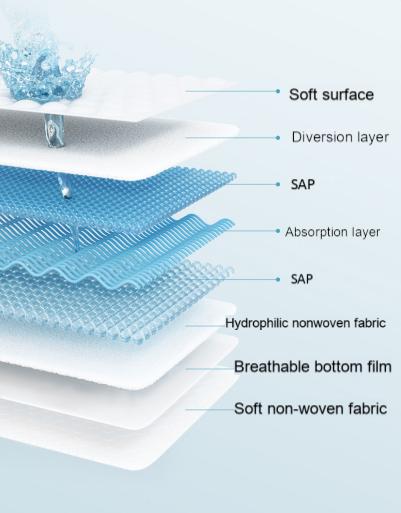
We highly recommend Cloud Sense Soft Disposable Baby Diapers as a premium choice tailored perfectly to these exact criteria. They deliver exceptional, cloud-like softness. This texture prevents the harsh chafing and redness typical of stiff budget brands. They also feature an advanced high-absorbency core engineered to mitigate explosive blowouts. Furthermore, their secure fit contours specifically to early-stage weights. Choosing a high-quality option like Cloud Sense ensures your baby remains dry, comfortable, and free from preventable skin irritation.
Planning your nursery stock requires a blend of data and flexibility. As a straightforward next step, buy just one box of the smallest size. Keep a larger box of Size 1 on standby in your closet. Once your baby arrives, rely entirely on physical fit cues rather than the printed weight range on the packaging. Watch for red marks, test the waistband with your fingers, and monitor leak frequency daily.
Every single infant follows a unique growth curve. Adjusting their clothing sizes proactively remains the absolute best way to maintain optimal skin health. It also preserves your own sanity by minimizing late-night laundry sessions. Trust your daily observations, prioritize high-quality absorbent materials, and never hesitate to size up when the physical signs appear.
A: Yes, but many popular "one-size" cloth options (designed for 6-40 lbs) are much too bulky for fresh infants. Dedicated early-stage cloth sizes exist, but they require a higher initial investment for a relatively short usage window. You must weigh the environmental benefits against the upfront costs.
A: Retain your original receipts to facilitate easy store exchanges for larger sizes. Alternatively, you can donate sealed packages to local diaper banks or community family shelters. These organizations always experience a high, urgent demand for early-stage infant supplies.
A: Most hospitals provide more than enough supplies for the duration of your maternity stay. Nurses often encourage parents to take the remainder of their open bedside packs home. This generous practice helps bridge the gap during your first few chaotic days at home.


