
close
Choose Your Site
Global
Social Media
Views: 0 Author: Site Editor Publish Time: 2026-05-06 Origin: Site


The "fourth trimester" hits hard. New parents quickly face chaotic realities. Midnight feedings blur together into one long shift. Sudden blowouts ruin cute outfits without warning. You urgently need to prepare your nursery inventory before the big day arrives. But newborns grow at unpredictable rates. Their growth curves rarely follow straight lines. Over-stocking tiny diapers wastes money on outgrown boxes. Under-stocking sends you running to the pharmacy at 3 AM in a panic. It feels like a stressful guessing game. We want to stop the madness. This guide provides an evidence-based purchasing framework. It focuses on practical, milestone-driven guidelines. You will learn how to calculate exact quantities. We show you exactly when to size up. You can buy efficiently without sacrificing your baby’s comfort or skin health.
Average Duration: Most full-term babies wear newborn diapers for 2 to 4 weeks.
Total Quantity: Plan for a total consumption of 200 to 300 newborn diapers (averaging 8–12 per day in the first month).
The Golden Stockpiling Rule: Never overbuy the newborn size. Start with 1 bulk box of newborn diapers and 1 box of Size 1, keeping all receipts for unopened exchanges.
Sizing Up Signals: Frequent leaks mean the baby’s urine output has exceeded the diaper's absorbency capacity, which usually happens before they physically outgrow the waistband.
Brands often print straightforward weight limits on packaging. They claim the smallest sizes fit babies up to 10 pounds. Expectation rarely matches reality in the nursery. Your baby's physical build dictates fit just as much. Thick thighs and long torsos change everything. Absolute weight is only one piece of the puzzle. A tall, skinny baby wears a garment differently than a shorter, chunkier baby.
Let us look at the average baseline. A typical full-term baby weighs between 5.5 and 8.8 pounds at birth. Pediatric guidelines show they will gain roughly five to seven ounces every week. This rapid growth naturally limits the earliest phase. Expect it to last about 14 to 28 days. Growth happens almost overnight. They literally stretch out while they sleep.
Some parents face the "skip" scenario. Larger infants weighing over nine pounds might bypass the smallest size entirely. They go straight into size one. This shift happens within hours of hospital discharge. We advise checking the hospital supplies first before opening your own stash.
Umbilical cord care plays a major role too. These tiny garments feature a specific U-shaped umbilical cord cutout. It protects the sensitive stump from painful friction. The stump usually dries and falls off within one to three weeks. Once it heals, transitioning anatomically feels much easier. The higher waistband of larger sizes no longer irritates the healing navel.
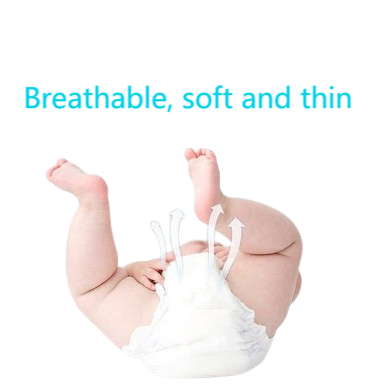
Parents constantly ask: How Many Newborn Diapers Do I Need? The answer lies in daily consumption rates. You must track output closely during the first four weeks. We broke down the daily matrix for you. Proper planning requires understanding biological rhythms.
Age Phase | Daily Consumption | Total Diapers Needed | Primary Biological Reason |
|---|---|---|---|
Week 1 | 10–12 changes | 70–85 pieces | Frequent liquid feedings and sticky meconium clearing. |
Weeks 2–4 | 8–10 changes | 168–210 pieces | Digestion begins to regulate slightly. |
Total budgeting requires a pragmatic view. Establish a baseline requirement of 200 to 300 pieces for the first month. Do not blindly hoard boxes. Track your daily usage on a notepad. You will see the numbers trend downward slightly after week two.
Do not forget the cross-selling reality. Wipes disappear faster than you think. You will use an average of five wipes per change. You will easily burn through 1,500 wipes alongside your early supply. Meconium requires extra cleanup effort. It sticks stubbornly to delicate skin.
Cost-efficiency matters deeply. Let us compare unit economics.
"Bags" usually cost more per unit. They contain fewer pieces and serve as quick emergency backups.
"Boxes" drop the per-unit price significantly. They offer better bulk value for predictable phases.
Leverage subscription models later. They work perfectly for size one and beyond. However, stick to one-off box purchases right now. This phase remains too unpredictable for automated monthly deliveries. Cancel dates easily slip your mind.
Physical signs tell you when to shift gears. Do not wait for a magical scale reading. Watch your baby closely. They will give you clear signals.
Symptom 1: The Absorbency Threshold. People hold a massive misconception about fit. They think tight means secure. It does not. If your baby suddenly experiences frequent blowouts, act fast. If they leak urine recurringly, they are out-peeing the core capacity. The material cannot hold the volume anymore. It is time to size up immediately.
Symptom 2: Skin Indentations. Check the thighs and groin during every change. Look for persistent red friction marks. Brief redness is normal. Deep, lingering marks mean the leg cuffs restrict circulation.
Symptom 3: The "Two-Finger" Rule. Slide two fingers under the fastened waistband. If you cannot do this easily, the fit is too restrictive. It limits comfortable breathing and digestion. Babies breathe heavily from their bellies.
Symptom 4: Velcro Placement. Look at the fastening tabs. They should sit comfortably near the center of the front panel. If they barely reach the outer edges, transition to the next stage right away.
When observing these symptoms, you must use a baby diaper size chart. We provide a brief breakdown of overlapping weight ranges. Size zero holds up to 10 pounds. Size one overlaps significantly, covering 8 to 14 pounds. Size up early into this overlap zone. It prevents messy leaks and keeps your infant comfortable. Do not stretch a small size to its absolute physical limit.
Smart stockpiling prevents closet clutter. It also keeps extra cash in your pocket. We recommend the 1+1 purchasing formula. Buy exactly one box of the smallest size. Buy exactly one box of size one for your nursery. Rely on hospital-provided supplies for those very first days. Nurses usually send you home with a generous starter pack. You can ask them for a few extra pieces before discharge.
Evaluating brand differences requires a critical eye. Different brands use vastly different cuts. Some cuts accommodate wider thighs perfectly. Others suit longer torsos. Do not stockpile a single brand initially. Mitigate the risk of allergic contact dermatitis. Diaper rash ruins peaceful sleep schedules. Testing multiple brands helps identify the best anatomical match for your child.
Focus on selecting the right product. You want verifiable features, not marketing fluff. Shortlist Obstetrician-recommended Disposable Baby Diapers. Look for helpful wetness indicators. They change color when exposed to moisture. Demand fragrance-free materials. Seek out products passing rigorous dermatological testing. Your baby possesses incredibly sensitive skin right now.
Finally, use the ultimate return policy hack. Leave all backup boxes sealed. Tape your purchase receipt directly to the cardboard. Major big-box retailers gladly exchange unopened, outgrown boxes. They let you swap them for the next size up. This simple trick eliminates purchasing anxiety completely. You never waste money on an unopened box.
Many families embrace eco-friendly alternatives. However, the newborn stash challenge surprises them. Most "One-Size" cloth options adjust via snaps. They theoretically fit babies from 6 to 40 pounds. Practically, they look extremely bulky during the first month. They often gap around tiny legs. Gaps lead to immediate and frustrating leaks.
Quantity needed varies by laundry dedication. If you commit to cloth from day one, prepare heavily. Parents need 20 to 24 dedicated cloth pieces. This specific quantity survives a wash-every-other-day routine. Anything less forces you to do daily laundry. New parents rarely have energy for daily washing. You will spend hours pre-rinsing inserts.
We suggest a practical hybrid approach. Use disposable newborn diapers for the first three weeks. Disposables manage sticky meconium beautifully. They accommodate delicate umbilical cord healing without adding bulk. Transition to reusable cloth once your baby reaches the standard size one weight. This method blends sustainability with much-needed convenience. It gives you time to establish a basic feeding routine first.
The initial changing phase feels intensely chaotic. It demands constant attention and frequent wipes. Yet, it remains incredibly brief. Most infants graduate to bigger sizes in under a month. Recognize the early absorbency thresholds quickly. Utilize overlapping weight guidelines effectively. This saves you from late-night cleanups and heavy laundry loads.
Keep your registry focused heavily on sizes one through three. They offer much longer utilization periods. Finish building your baby registry today. Set up a flexible, multi-size diaper fund for your friends and family to contribute to. Prepare smartly so you can focus entirely on enjoying those precious early snuggles. Time moves incredibly fast during the first month. Your preparation ensures maximum comfort for everyone.
A: Yes, especially if they weigh over 8.5 lbs at birth. You can simply fold down the top waistband of a Size 1. This hack safely protects the healing umbilical cord stump while offering greater absorbency for larger infants.
A: Keep the receipt taped to the box for store exchanges. Major retailers accept unopened returns. Alternatively, pass them to expecting friends. You can also donate open sleeves to local diaper bank programs to help families in need.
A: Newborns should be changed every 2–3 hours around the clock. If they soil the material with stool, change it immediately to prevent rapid skin breakdown and severe rashes, even if they are peacefully sleeping.


