
close
Choose Your Site
Global
Social Media
Views: 0 Author: Site Editor Publish Time: 2026-01-15 Origin: Site


You may ask how often to change a newborn diaper. Experts say to change it every 1 to 3 hours in the day. Change the diaper right away if it gets dirty. Most parents use about 10 to 12 diapers each day. This happens a lot in the first few weeks. Changing diapers often keeps your baby comfy. It also helps stop diaper rashes. If you use a soft and absorbent newborn diaper, like Diapersun Baby Diapers, each change is gentle and safe for your baby.
Change your newborn's diaper every 1 to 3 hours. This helps keep them comfortable and stops rashes.
Watch for signs your baby needs a change. Fussiness or a heavy diaper means it is time. This keeps their skin healthy.
Use high-quality diapers, like Diapersun Baby Diapers. These diapers absorb better and protect sensitive skin.
Make a calm changing routine with supplies close by. This makes diaper changes easier and less stressful.
Change diapers right after bowel movements. This lowers the chance of irritation and diaper rash.
You might wonder how often to change a newborn diaper. Most newborns need a fresh diaper every 1 to 3 hours. That means you could be changing diapers about 10 to 12 times each day. This routine helps keep your baby clean and comfortable. If your baby has a bowel movement, you should change the diaper right away. Wetness and stool can irritate your baby’s skin if left too long.
Tip: Try to check your baby’s diaper before and after feedings. This makes it easier to remember and keeps your baby happy.
Doctors recommend these frequent changes because newborns have sensitive skin. Changing diapers often helps prevent rashes and keeps your baby dry. For most healthy babies, a 3-hour interval works well, but some babies may need more frequent changes, especially if they are smaller or have special needs.
Sometimes, you can’t always follow the clock. Your baby will give you clues when it’s time for a change. Here are some signs to watch for:
Fussiness or crying that doesn’t stop with cuddles or feeding
Squirming or pulling at the diaper area
Trouble settling down to sleep or waking up often
Redness or rash on the diaper area
A wetness indicator line on the diaper (if your diaper has one)
A diaper that feels heavy, thick, or saggy
Doing regular diaper checks helps you spot these signs early. If you notice any of these, it’s a good idea to change your baby’s diaper, even if it hasn’t been long since the last change.
Frequent diaper changes do more than keep your baby smelling fresh. They protect your baby’s skin from irritation and diaper rash. When you change diapers right after your baby poops, you lower the risk of redness and discomfort. Wet diapers can also cause rashes if left on too long. Studies show that changing diapers every 2 to 3 hours during the day helps prevent diaper rash and keeps your baby’s skin healthy.
High-quality diapers, like Diapersun Baby Diapers, add another layer of comfort. They absorb moisture quickly and fit snugly, which means your baby stays dry and happy. Babies who stay dry tend to sleep better and fuss less. If you make diaper changes part of your daily routine, you help your baby feel safe and cared for.
If your baby was born early or has a low birth weight, you might not need to change diapers as often if there’s no stool. This can help you manage your time and still keep your baby’s skin healthy.
Remember, every baby is different. You’ll soon learn what works best for your little one.
You want diaper changes to go smoothly, especially during the day when your baby is awake and alert. Here’s a simple routine you can follow every time you change your baby’s diaper:
Lay your baby on a safe, clean surface. Keep all your supplies within reach.
Remove your baby’s pants or unfasten snaps to clear the area.
Unfasten the dirty diaper. If there’s a lot of poop, use the front of the diaper to wipe down.
Fold the top of the diaper inwards to avoid touching the umbilical cord stump.
Wipe your baby gently from front to back. This keeps things clean, especially for girls.
Lift your baby’s legs and remove the dirty diaper. Clean any missed spots.
Place a clean diaper under your baby’s bottom. Let the skin air dry for a few seconds.
Apply diaper cream if needed. A diaper cream brush can help keep your hands clean.
Fasten the clean diaper securely, but not too tight. For boys, aim the penis down to prevent leaks.
Reattach clothing and dispose of the dirty diaper in a plastic bag to contain smells.
Wash or sanitize your hands after you change your baby’s diaper.
Tip: Try using a double diaper hack. Place a clean diaper under the dirty one before you start. This makes the process faster and less messy.
You can make daytime diaper changes less stressful with a few simple tricks:
Keep all your supplies, like diapers and wipes, close by. You won’t need to scramble during a change.
Warm the wipe in your hand before using it. Your baby will appreciate the comfort.
Hang a mobile above the changing area. This distracts your baby and makes the process easier.
Talk or sing softly to your baby. Calm words help your baby relax.
Don’t rush. Take your time when you change your baby’s diaper. This helps your baby feel safe.
Track each time you change your baby’s diaper. A simple diaper log can help you notice any changes in your baby’s output.
Always check the fit of the diaper. Fold the back down to help prevent blowouts.
If you follow these steps and tips, you’ll find that you can change your baby’s diaper with confidence. You’ll keep your baby comfortable and happy throughout the day.
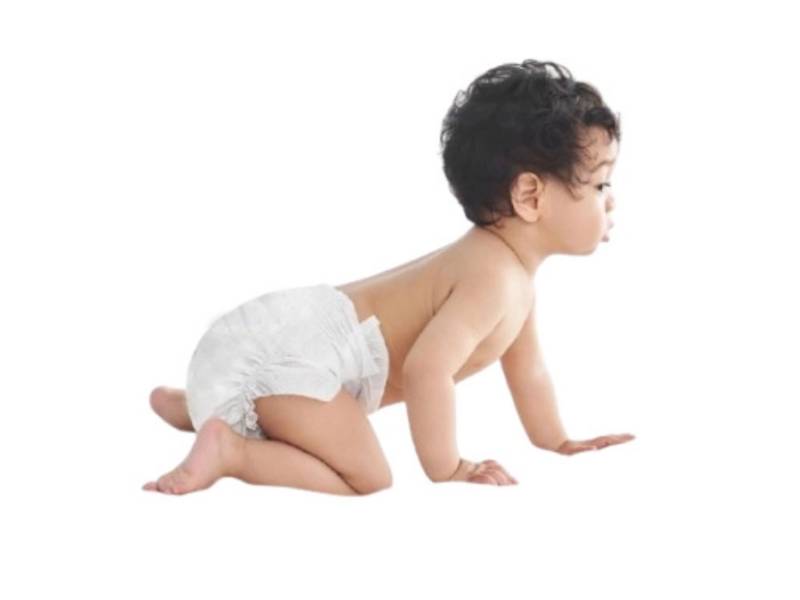
You want your baby to sleep well, but sometimes you need to handle changing diapers at night. The trick is to keep things calm and quiet. You can set up a night time diaper change station with everything you need close by. This helps you avoid searching for wipes or diapers in the dark.
Try these tips for changing diapers at night without waking your baby:
Use dim light. A small nightlight works well and keeps your baby sleepy.
Change diapers on a secure surface. Safety matters, even when you’re tired.
Keep your baby swaddled or use a two-way zipper sleep sack. You can unzip just the bottom to reach the diaper, so your baby stays warm.
Lift your baby slowly and gently. Quick movements can wake them up.
Change the diaper quickly. The less time you spend, the easier it is for your baby to settle back down.
Zip up the sleep sack after you finish. This helps your baby feel cozy again.
Tip: Prepare everything before bedtime. You’ll save time and keep the room peaceful during changing diapers at night.
You might wonder how many times you should be changing diapers at night. Most newborns need a diaper change every three hours. If you notice soiled diapers, you should change them right away. Wet diapers are different. If your baby is sleeping soundly and the diaper is only wet, you can wait until your baby wakes up.
Here’s a simple guide for night time diaper change:
Change diapers two to three times each night.
Always change soiled diapers as soon as possible.
If the diaper is just wet and your baby is comfortable, you can let them sleep.
You’ll find that changing diapers at night gets easier with practice. You’ll learn your baby’s patterns and know when a change is needed. Keeping your baby dry and clean helps them sleep better and keeps their skin healthy.
You want your baby to stay dry and happy. Changing diapers often is the best way to protect your newborn’s skin. When you change diapers every 2 to 3 hours, you remove urine and poop before they can irritate sensitive skin. Experts say that leaving a dirty diaper on for too long is a common reason for diaper rash. You should always change the diaper right away after a bowel movement.
Take a look at this table to see how diaper quality and frequent changes make a difference:
Finding | Description |
|---|---|
Diaper B vs. Diaper A | Babies in Diaper B had fewer and milder rashes than those in Diaper A. |
Rash Duration | Rashes lasted less than 7 days with Diaper B. |
Caregiver Habits | Changing frequency was not the main reason for fewer rashes. |
Leakage | Better moisture control led to healthier skin. |
Frequent changes help keep your baby’s skin barrier strong. If your baby’s skin stays wet for too long, it can break down and become more likely to get infected. Newborns have fragile skin, so you want to keep it as healthy as possible.
Tip: Change your baby’s diaper before naps and bedtime to help prevent overnight leaks and keep your baby comfortable.
You can do a few simple things to stop leaks and keep your baby dry:
Change diapers regularly. Always swap out a wet or soiled diaper right away.
Use overnight diapers or add a booster pad for extra absorbency at night.
Fluff out the ruffles around your baby’s legs to create a snug seal.
Adjust the tabs for a custom fit. Make sure the diaper isn’t too loose or too tight.
For boys, point the penis downward to direct moisture into the absorbent core.
Try a larger diaper size if leaks keep happening.
Limit liquids before bedtime to reduce nighttime wetness.
Apply a thin layer of diaper cream to protect your baby’s skin from moisture.
Note: Always check the diaper size and fit. A diaper that’s too big or too small can cause leaks.
If you follow these steps, you’ll keep your baby dry and help avoid diaper rash. You’ll also feel more confident during every diaper change.
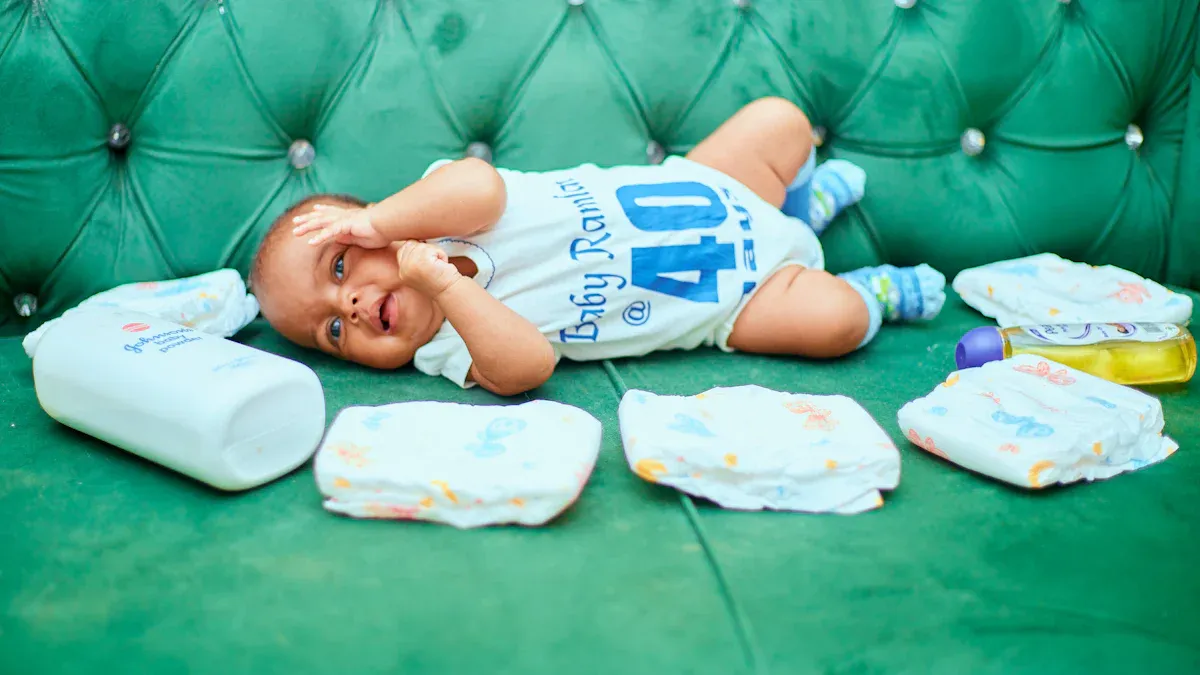
You want your baby to be dry and comfortable. Good diaper quality helps keep your baby’s skin healthy. Many babies get diaper rash at least once. High-quality diapers help stop this by pulling wetness away from the skin. This lowers irritation.
When you choose a diaper, look for these things:
Absorbency: Keeps wetness and mess off your baby’s skin.
Breathability: Lets air move, so skin does not get too damp.
Fit and Flexibility: Stops leaks and rubbing, keeping your baby comfy.
Here is a quick chart of what matters most:
Feature | Benefit |
|---|---|
Absorbency | Keeps wetness and mess off skin, lowers rash risk. |
Topsheet Design | Less contact with poop, which helps stop diaper dermatitis. |
Material Quality | Soft, safe materials lower the chance of skin problems and rashes. |
Babies have soft skin, so you need a gentle diaper. Pick diapers without harsh chemicals. Diapers for sensitive skin do not use dyes, scents, or strong preservatives. These choices help if your baby gets rashes a lot.
You want a diaper that does everything you need. Diapersun Baby Diapers are very soft and made for newborns’ sensitive skin. The special absorbent core keeps your baby dry for up to 12 hours. This means fewer changes at night and more sleep for you and your baby.
Diapersun uses safe, high-quality materials. There are no bad chemicals, dyes, or scents in these diapers. They let air in and stretch, so your baby can move without leaks or rubbing. If your baby has sensitive skin, Diapersun has gentle, dermatologist-recommended options.
Do you want an eco-friendly diaper? Diapersun has organic diapers made from safe, earth-friendly materials. These diapers protect your baby and help the planet too.
Tip: Try Diapersun’s overnight diapers for more absorbency and leak protection during long sleep times.
With Diapersun, you get comfort, safety, and peace of mind in one diaper.
You can turn diaper changes into a peaceful moment for you and your baby. Start by setting up a well-organized changing station. Keep everything you need within arm’s reach. This helps you stay calm and makes each change quick and easy.
Try following the same steps every time. Babies love routines. A simple, step-by-step process helps your baby know what to expect. You can also use distraction tricks. Give your baby a favorite toy or play soft music. These little things can keep your baby happy and relaxed.
Experts suggest a few more ways to create a soothing environment. Check out this table for ideas:
Recommendation | Description |
|---|---|
Designate a changing toy | Use a special toy only during diaper changes to keep your baby engaged. |
Decorate the room | Add fun colors or patterns to the nursery for visual interest. |
Sing a song | Sing a familiar tune to comfort and bond with your baby. |
Narrate actions | Talk through each step to hold your baby’s attention. |
Point out body parts | Name and point to body parts for a playful, interactive change. |
Give a toy | Hand your baby a toy to keep little hands busy. |
Use baby cream | Let your baby smell gentle creams for a new sensory experience. |
Tip: Keep the lights low during nighttime changes. This helps your baby stay sleepy and calm.
You don’t need a lot of fancy gear to make diaper changes smooth. Just a few essentials will do the trick. Here’s a handy checklist:
Diapers (like Diapersun Baby Diapers for comfort and leak protection)
Baby wipes for quick, gentle cleaning
Diaper cream to prevent rashes
Changing pad or receiving blanket for easy cleanup
Extra clothes for unexpected messes
Diaper cream brush for easy application
Spare diapers and wipes in your car or diaper bag
A favorite toy or soft music for distraction
You can also try a few parent hacks. Place a clean diaper under the old one to catch any surprises. Use a receiving blanket on the changing pad for fast cleanup. Track changes with an app if you want to stay organized.
Remember, a calm routine and the right supplies make diaper changes easier for both you and your baby.
You want the best for your baby, so keep these key tips in mind. Pediatric experts say you should change your newborn’s diaper every 2 to 3 hours or after each poop. Here’s a quick look:
Recommendation | Frequency | Why It Matters |
|---|---|---|
Diaper Changes | Every 2–3 hours or after bowel movements | Prevents diaper rash and keeps skin healthy |
Daily Diapers | 8–12 diapers | Shows your baby is eating and growing well |
Every family has their own routine. You can adjust your schedule to fit your baby’s needs. If you want comfort and peace of mind, try Diapersun Baby Diapers. You’re doing a great job—trust yourself and enjoy these special moments!
You might see red marks on your baby’s legs or tummy. Leaks can also happen more often. Try moving up a size if you notice these signs.
Doctors say you should skip baby powder. It can get into your baby’s lungs. Use a gentle diaper cream instead to protect the skin.
Change diapers more often. Use a thick diaper cream. Let your baby’s skin air out for a few minutes. If the rash does not get better, call your doctor.
Pack a small bag with diapers, wipes, a changing pad, and a spare outfit. Use disposable bags for dirty diapers. Find a clean, safe spot for changes.
Yes! Diapersun Baby Diapers use soft, safe materials. They do not have harsh chemicals or scents. Many parents choose them for babies with sensitive skin.


