
close
Choose Your Site
Global
Social Media
Views: 0 Author: Site Editor Publish Time: 2026-03-03 Origin: Site


Diaper rash strikes fast and hits hard. It causes immediate discomfort for your infant. It also creates intense stress for you as a caregiver. Treating these raw patches requires more than just reacting to the redness. We must view barrier creams as a systematic, preventative step. You should incorporate this process seamlessly during everyday changes. True relief demands the right technique. You need the correct product dosage to protect the skin barrier. You also must pair your daily treatment with highly absorbent baby diapers. In this comprehensive guide, we break down the exact application protocol step-by-step. You will learn the underlying medical science behind barrier ointments. We cover essential gender-specific cleaning methods to prevent secondary infections. Finally, you will discover crucial newborn troubleshooting tips to keep delicate skin healthy and pain-free.
Thickness matters: Apply barrier creams generously (like frosting a cake) rather than rubbing them in thinly.
Air-drying is non-negotiable: Trapped moisture under a new diaper renders the best creams ineffective; allow 5–10 minutes of air drying when possible.
Do not scrub off clean cream: Wiping away previous layers of clean barrier cream causes unnecessary friction; simply layer fresh cream on top.
Ingredient safety: Avoid products containing talcum powder, baking soda, boric acid, and wipes containing propylene glycol.
Gender-specific techniques: Cleaning and application methods must differ between boys and girls to prevent secondary infections.
Many parents ask, How does diaper rash cream work? Unlike regular body lotions, these protective creams do not absorb deeply into the skin. Instead, they operate as a physical shield. They sit directly on top of the epidermis. This layer protects vulnerable tissue from harsh external elements. Dermatologists classify these products as surface protectants. Their primary job is defense rather than moisturizing.
The Physical Barrier Mechanism: Active ingredients like zinc oxide or petroleum jelly form a thick wall. They block out chemical irritants completely. Everyday lotions nourish the skin below. Barrier creams defend the skin from above. They remain highly visible on the surface.
Friction Reduction: Constant movement creates mechanical rubbing. Babies kick their legs constantly. This motion generates intense heat and friction. Creams act as a heavy lubricant. They sit between your infant's sensitive skin and the absorbent material. This significantly cuts down chafing.
Enzyme Blocking: Human waste contains highly acidic compounds. These fecal and urinary enzymes quickly erode the natural acid mantle. A proper barrier physically blocks these dangerous enzymes. They never touch the skin directly. The cream takes the chemical damage instead of your baby.
Moisture Control: Overhydration remains the primary cause of skin breakdown. When skin stays wet, cellular integrity collapses. It becomes highly permeable and weak. Barrier products lock moisture out. They keep the underlying tissue intact and dry.
| Mechanism | Primary Action | How It Prevents Diaper Rash |
|---|---|---|
| Physical Shielding | Surface Coating | Stops harsh acids and irritants from reaching the vulnerable epidermis. |
| Lubrication | Reduces Friction | Prevents mechanical chafing caused by leg movement and diaper rubbing. |
| Chemical Blocking | Isolates Enzymes | Protects the natural acid mantle from destructive digestive enzymes in stool. |
| Hydrophobic Barrier | Repels Water | Prevents cellular overhydration, keeping the skin firm and intact. |
Consistency cures diaper rash. Follow these four distinct steps during every single change to ensure maximum protection.
Always slide a fresh diaper underneath your baby first. Do this before removing the soiled one. This simple pro-tip catches unexpected messes instantly. It saves you from cleaning the changing table repeatedly. Next, clean the area thoroughly. Use warm water and soft cotton pads. You can also use alcohol-free wipes. Carefully read your wipe ingredient labels. Avoid wipes containing propylene glycol. This chemical burns irritated skin. It worsens existing rashes rapidly. Clean all debris completely away.
Moisture feeds diaper rash aggressively. Pat the skin completely dry using a soft towel. Never rub the area. Rubbing causes painful micro-tears on fragile infant skin. Allow five to ten minutes of natural air-drying. This step feels time-consuming but remains absolutely essential. Trapping moisture under a barrier cream exacerbates the rash. The cream will lock the water tightly against the skin. Let the ambient air do its healing work first. Read a book to your baby while waiting.
Apply the cream generously. Most parents use far too little product. The layer should look thick and white. It must completely obscure the skin beneath it. Think of it like frosting a birthday cake. Apply it over the entire buttocks area. Cover the genitals carefully. Do not forget the deep groin and thigh folds. These hidden crevices trap excess moisture easily. A thick application ensures maximum protection against upcoming bowel movements.
Fasten the diaper securely around the waist. It should fit snugly. However, avoid excessive tightness. Over-tightening creates severe mechanical friction. This friction quickly rubs your carefully applied barrier cream away. Finally, check the elastic leg ruffles. Pull these bumpers out along the thighs. Tucked ruffles cause massive leaks and blowouts. Proper securing keeps the mess contained. It ensures the barrier stays exactly where you put it.
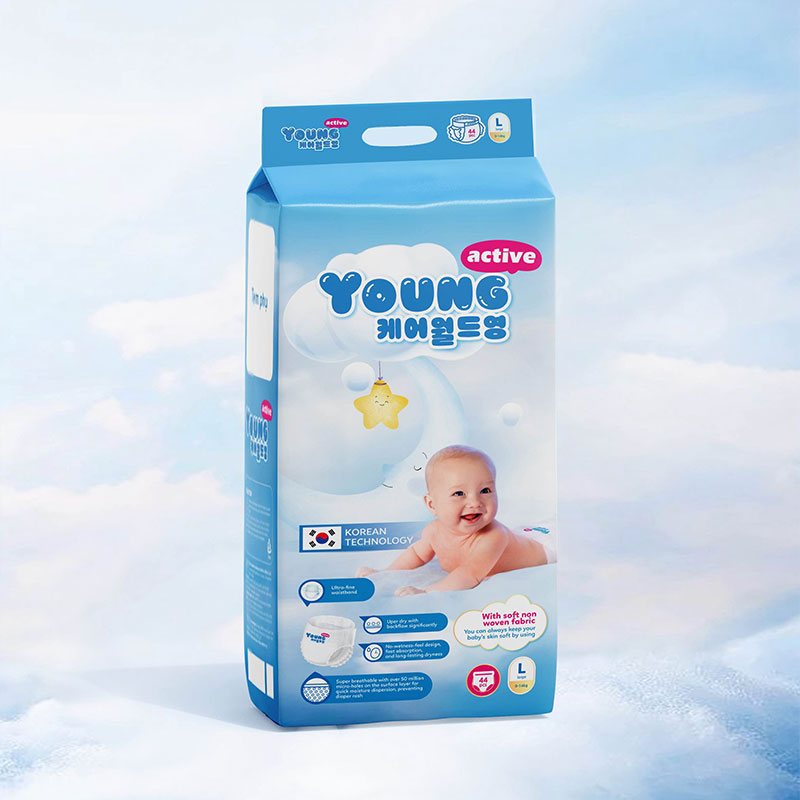
Infant anatomy dictates your cleaning approach. Cleaning methods must differ significantly between boys and girls. Incorrect wiping often causes painful secondary bacterial infections.
Female infants require strict directional wiping. Always wipe from front to back. Apply cream from front to back as well. This prevents the transfer of fecal bacteria into the urinary tract. Such bacteria easily cause severe urinary tract infections. Apply your chosen cream to the labia majora. Cover the outer surrounding folds thoroughly. However, never apply cream inside the vaginal opening. Internal application disrupts natural mucosal flora. Focus purely on external protection.
Boys present unique diapering challenges. When you open the diaper, briefly cover the area. Use a clean cloth or the old diaper flap. Cold air often triggers a sudden "pee shower." Covering prevents you from getting sprayed. Next, proceed to cleaning. Do not retract the foreskin to clean. Do not retract it to apply cream. Doing so damages delicate developing tissue. Focus your application heavily on the skin folds beneath the testicles. Moisture and bacteria easily hide there. Finally, point the penis downward. Seal the diaper securely. A downward-pointing penis prevents upward urine leaks onto the belly.
Newborn care brings steep learning curves. First-time parents face unexpected hurdles during early diaper changes.
Parents buying baby diapers newborn sizes often feel shocked by meconium. This thick, tar-like newborn stool sticks like industrial glue. You can prevent this struggle easily. Apply a very thick layer of petroleum jelly to the baby's buttocks immediately after birth. Do this before their first bowel movement. The jelly acts as a non-stick coating. It prevents meconium from cementing to the skin. Cleanup becomes effortless and tear-free.
Newborn skin stays highly permeable. It tears easily under constant friction. Never vigorously scrub away old diaper cream during a change. Scrubbing damages the healing epidermis. Check the remaining cream layer closely. If the residual cream remains free of feces, leave it alone. Gently wipe around the clean patches. Apply the new cream layer directly on top. This layering technique saves the skin from painful daily abrasion.
Sometimes, rashes remain chronic despite perfect cream application. When this happens, examine your diaper's core absorbency. Poor breathability causes endless skin issues. You should evaluate alternative brands. Consider finding a reputable baby diapers manufacturer. Specialized brands like Diapersun engineer their products differently. They utilize advanced moisture-wicking cores. They actively pull liquid away from the surface quickly. Upgrading your diaper brand often solves persistent rash mysteries. A better diaper means less reliance on heavy barrier creams.
Not all rashes respond to home care. Caregivers must recognize harmful ingredients and severe medical symptoms early.
Many traditional remedies now carry strict medical warnings. You must strictly avoid specific chemicals. Read every product label carefully before purchasing.
Talcum powder: Creates an extreme inhalation risk for infant lungs. It also breeds dangerous bacteria deep inside skin folds.
Boric acid: Highly toxic if absorbed accidentally through broken or raw skin.
Camphor and Phenol: These harsh medicinal compounds burn sensitive infant tissue instantly.
Benzocaine and Salicylates: Numbing agents hide pain but do not heal the actual wound. They frequently cause allergic contact dermatitis.
Some parents prefer reusable cloth diapers. If a severe rash breaks out, change your cover strategy immediately. Temporarily stop using rubber or plastic waterproof covers. These materials create a localized greenhouse effect. They trap extreme heat and excessive moisture against the body. This environment rapidly breeds harmful yeast. Switch to highly breathable covers until the skin fully heals.
Home care has limits. Watch closely for warning signs. You must consult a pediatrician immediately if you observe any of the following criteria.
You notice painful blisters, severe skin peeling, or open weeping sores.
You see yellow pus oozing from the rash area.
You observe spreading red streaks moving outward from the diaper zone.
The rash concentrates heavily deep within the skin folds. This presentation usually indicates a stubborn yeast or fungal infection. Standard barrier creams cannot treat yeast. Your baby will require prescription antifungals.
You see absolutely no improvement after three days of strict, perfect home care.
Effectively managing diaper rash relies on clear operational logic. You need a clean surface, absolute dryness, a thick physical barrier, and a high-quality diaper. We know constant diaper changes feel endless. However, remaining diligent protects your baby from severe pain and discomfort.
Remember, diaper rash remains incredibly common. It even occurs frequently in adult incontinence scenarios. Medical professionals call this Incontinence-Associated Dermatitis (IAD). A rash rarely reflects poor caregiver hygiene. It merely signals a temporary chemical and physical imbalance on the skin's surface.
Encourage all caregivers to follow the strict four-step routine. Teach them the cake frosting rule. Stress the vital importance of air-drying. Consistency builds strong barrier integrity. By mastering these simple preventative techniques, you ensure your baby stays comfortable, dry, and consistently happy.
A: No. Unlike body lotion, diaper rash cream is designed to sit on the surface of the skin as a physical shield. Rubbing it in completely destroys this barrier and causes painful friction on already irritated skin. Apply it thickly and leave it visibly white/coated.
A: No. If the residual cream is not soiled by feces, leave it intact. Scrubbing at perfectly clean barrier cream damages the healing skin underneath. Just layer fresh cream over the old.
A: Yes, but moderation is key. A light layer of petroleum jelly is great for daily prevention (especially for newborns to block meconium), but heavy zinc oxide "frosting" is best reserved for when redness first appears, before bedtime, or before prolonged travel when changes might be delayed.
A: Yes. The active ingredients (like zinc oxide) work exactly the same way to treat Incontinence-Associated Dermatitis (IAD) in adults as they do for babies. Adult application requires a slightly thinner, even layer (pea-sized for small areas) and should also be patted on, never rubbed.


