
close
Choose Your Site
Global
Social Media
Views: 0 Author: Site Editor Publish Time: 2025-11-06 Origin: Site


How many diapers does a baby use in a day? This common question can leave new parents feeling overwhelmed. But knowing what to expect at each stage of your baby's development can make diapering less stressful.
In this article, we'll explore how many diapers babies typically use daily, from newborns to toddlers. You’ll also get practical tips for managing diaper changes efficiently.
For premium diapering solutions, Diapersun offers high-quality products designed to keep your baby comfortable. Learn more about our products to find the perfect fit for your baby.
Diaper usage varies based on the baby’s age, size, and other factors. The first few weeks will be the most intensive in terms of diapering, but it decreases as your baby grows. Here's a breakdown of diaper use at each developmental stage:
Newborns have small bladders and need frequent diaper changes. Expect to change your newborn’s diaper 8-12 times per day during the first few weeks. This high turnover is partly because newborns feed frequently, and their diet mainly consists of liquids, resulting in more frequent urination and bowel movements.
● Frequency: 8-12 diapers per day
● Why So Many? Newborns have smaller bladders, and their digestive system is still developing, which leads to frequent soiling. Choosing high-quality newborn diapers can help ensure your baby stays dry and comfortable throughout the day, as these diapers are designed specifically for delicate skin.
As babies grow, their bladder capacity increases, and they may begin going longer between diaper changes. Between 1 and 5 months, diaper usage drops slightly, typically averaging 8-10 changes a day.
● Frequency: 8-10 diapers per day
● What Changes? As your baby starts to grow, they consume fewer fluids during each feeding and their digestive system starts to become more predictable. At this stage, you may want to opt for diapers that offer maximum absorbency while still allowing your baby to move.
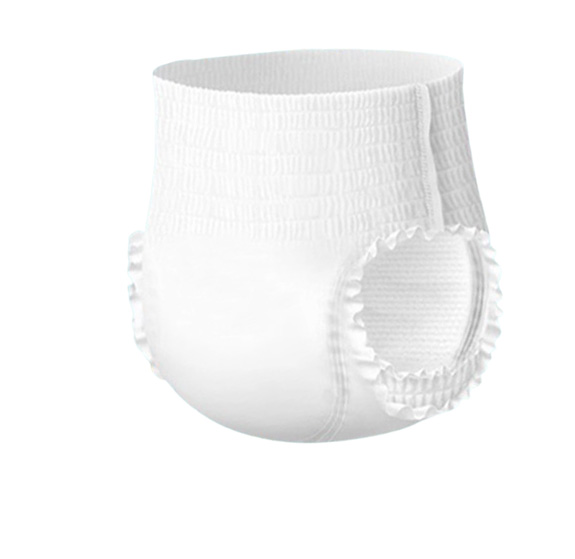
At this stage, your baby becomes more active and may begin eating solid foods. The increase in activity can make bowel movements more regular, and you’ll likely see a decrease in the frequency of diaper changes to about 6-8 per day.
● Frequency: 6-8 diapers per day
● Why the Change? The introduction of solids and improved bladder control contribute to a more predictable diapering schedule. Choosing a snug yet comfortable diaper is essential as your baby moves and plays.
As your baby transitions into toddlerhood, their diapering needs continue to decrease. By the time your child reaches toddler age, they may only need 4-6 diaper changes a day. This stage is also the beginning of potty training for many children.
● Frequency: 4-6 diapers per day
● What Changes? More frequent potty training attempts and fewer accidents lead to a drop in diaper changes.
Diaper size is another factor that affects how many diapers your baby will need daily. Here's a general guide based on weight and size:
Diaper Size | Weight (kg) | Daily Usage | Diapers per Day |
Premature | <2.3 | As needed | 6-8 |
Newborn | <4.5 | As needed | 8-10 |
Size 1 | 4.5-8 | Up to 9 | 7-8 |
Size 2 | 5.5-8 | Up to 8 | 6-7 |
Size 3 | 7-13 | Up to 7 | 5-6 |
Size 4 | 10-17 | Up to 7 | 4-5 |
Size 5 | 12+ | Up to 6 | 3-4 |
Size 6 | 16+ | Up to 6 | 2-3 |
As babies grow, their diaper needs will decrease. Start with newborn and Size 1, and move up to larger sizes as your baby grows. Many parents prefer high-quality, eco-friendly diapers for their babies, which can also help reduce skin irritation as they grow.
While age and size are the primary factors in determining diaper usage, other factors can also influence how often you need to change your baby’s diaper. These include dietary habits, hydration levels, and nighttime diapering.
When introducing solids, you’ll notice a change in your baby’s bowel movements. The frequency and consistency of these movements will affect how many diapers you’ll need each day. Solid foods tend to make bowel movements more predictable, reducing diaper changes to some extent.
● What to Expect: Solids lead to more regular bowel movements, reducing the number of soiled diapers during the day.
Hydration also plays a role in how often your baby urinates. A well-hydrated baby may need more frequent diaper changes due to increased urination.
● What to Watch For: Keep track of your baby's fluid intake. More fluids can result in more frequent diaper changes.
Nighttime diapering can influence overall diaper usage. Many parents use overnight diapers designed to absorb more moisture, allowing babies to go longer without needing a change. This can slightly reduce the number of diaper changes during the day.
● Tip: Consider using overnight diapers that offer extra absorbency to minimize nighttime diaper changes.
Factor | Impact on Diaper Usage |
Solid Food Introduction | Reduces number of soiled diapers due to more predictable bowel movements |
Hydration Levels | Well-hydrated babies may urinate more frequently, increasing diaper changes |
Nighttime Diapering | Use of overnight diapers reduces daytime diaper changes due to extended absorbency |
A proper diaper fit is crucial for both comfort and effectiveness. Here's how to ensure that your baby's diaper fits correctly:
The waistband should fit snugly around your baby’s waist, and the leg cuffs should form a gentle seal to prevent leaks. The diaper shouldn’t be too tight, as this could cause discomfort, but it should stay in place throughout the day.
● Signs of a Good Fit: No tight marks on the waist or legs, and no leaks. High-quality diapers, like those designed for active babies, help maintain comfort without leaks during movement.
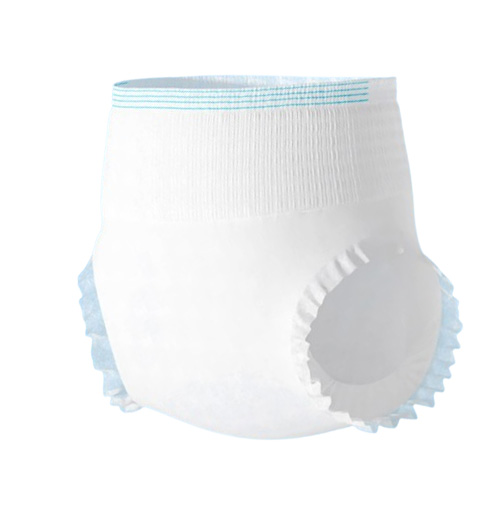
Diapers vary in absorbency, so it’s essential to choose one that can hold up to your baby’s needs. If the diaper isn't absorbing enough, it may lead to leaks or discomfort.
Your baby should be able to move freely in their diaper. If the diaper is too tight or too loose, it may cause chafing or discomfort.
● Signs of Discomfort: Red marks or irritability can indicate that the diaper isn't fitting properly.
Planning ahead is essential to avoid running out of diapers during critical moments. On average, a baby uses about 2,500 to 3,000 diapers in the first year. Here’s how to estimate your diaper needs and plan accordingly.
During the first month, newborns go through about 10-12 diapers per day, adding up to around 325 diapers in the first four weeks. Knowing this can help you avoid over-purchasing newborn-sized diapers, especially since they grow quickly and outgrow these sizes within the first few weeks.
● Tip: Consider purchasing fewer newborn diapers since your baby will likely outgrow them within the first month.
Most babies will go through Sizes 1 and 2 during the first six months, and then move to Size 3 for their first birthday. Plan for a bulk purchase of these sizes, as they are commonly used during the first year.
● Tip: Stock up on Size 1 and 2 for the first 6 months. Avoid over-purchasing larger sizes early on.
If you’re worried about running out of diapers, consider signing up for a subscription service. Many diaper brands offer subscriptions that deliver diapers to your door regularly, based on your baby's age and needs. This ensures you always have diapers without having to worry about running out.
Choosing between cloth and disposable diapers depends on your preferences, budget, and environmental concerns. Let’s take a look at the advantages and disadvantages of each.
Cloth diapers are reusable and can be a cost-effective choice in the long run. However, they require more effort in terms of washing and maintenance.
● Advantages: Reusable, cost-effective in the long term, environmentally friendly.
● Disadvantages: Requires regular washing, higher initial investment, and potentially more leaks if not changed frequently.
Disposable diapers are convenient and highly absorbent, making them a popular choice for many parents. They are ideal for busy families, though they tend to be more expensive over time and contribute to environmental waste.
● Advantages: Convenient, highly absorbent, fewer leaks, no washing required.
● Disadvantages: Expensive over time, environmental impact.
Managing the cost of diapers is essential for new parents. The average baby uses about 2,500 to 3,000 diapers during their first year. Let's break down how to budget for these costs effectively.
Diapers range in price depending on size, brand, and absorbency. On average, a disposable diaper costs between $0.20 and $0.40 per diaper, with bulk boxes being more cost-effective.
One way to save on diaper costs is to shop for deals, use coupons, or subscribe to a diaper delivery service. Many retailers offer discounts when you purchase in bulk or sign up for auto-delivery.
Understanding how many diapers your baby will need each day helps with planning and ensures you’re always prepared. From newborns to toddlers, diaper needs evolve, and knowing what to expect can make diapering easier. Consider factors like diaper fit, size, and hydration for your baby's comfort. With these insights, diapering becomes less stressful. For quality, reliable options, Diapersun offers diapers that provide comfort and protection for your baby throughout their growth.
A: A baby typically uses 8-12 diapers a day during the newborn stage. As they grow, this number decreases to about 6-8 diapers for infants and toddlers.
A: To reduce diaper usage, focus on diapering at regular intervals and ensure the diaper fits properly to avoid leaks. Proper hydration and solid food introduction can also help reduce soiling frequency.
A: Newborns use more diapers due to frequent feedings and smaller bladders. They also have liquid-only diets, which increase both urination and bowel movements.
A: It's best to purchase a combination of Size 1 and Size 2 diapers for the first year. Newborns often outgrow their initial size quickly, so plan accordingly.


