
close
Choose Your Site
Global
Social Media
Views: 0 Author: Site Editor Publish Time: 2025-12-04 Origin: Site


Choosing the right diaper size for your baby can be overwhelming. One common question parents have is: "What size diapers are babies in the longest?" Understanding which diaper sizes babies stay in the longest is essential for ensuring comfort and managing inventory.
In this article, we’ll explore the diaper sizes babies tend to wear the longest, the factors that influence these transitions, and how to ensure the right fit. You’ll also learn how to manage diaper stock effectively and avoid overbuying. For those seeking premium options, Diapersun offers comfortable, high-quality diapers that can help you make the best choice for your baby’s needs.
Diapers are generally classified based on a baby’s weight, with sizes typically ranging from newborn to toddler. While the specific weight range may vary slightly from one brand to another, the basic structure remains consistent across most diaper brands. Understanding how diaper sizes are classified helps ensure your baby is wearing the most comfortable and leak-proof diaper.
Typically, the sizes are broken down like this:
Diaper Size | Weight Range |
Size 1 | 8–14 lbs |
Size 2 | 12–18 lbs |
Size 3 | 16–28 lbs |
Size 4 | 22–37 lbs |
Size 5 | 27+ lbs |
Size 6 | 35+ lbs |
Size 7 | 41+ lbs |
While these weight ranges are a helpful guide, it’s important to remember that babies develop at different rates. For example, some babies might reach the higher end of a size range earlier than others, while some may need to wear a smaller size for a longer period. Growth patterns can vary, and other factors, such as body shape and overall health, also play a role in determining when it’s time to size up.
It’s essential to monitor your baby’s weight and growth closely, as diaper sizes are not strictly age-based. Even if your baby is within the age range for a particular size, it’s more important to ensure the diaper fits properly and comfortably. Regularly checking your baby’s weight and ensuring they’re wearing the appropriate diaper size can help prevent discomfort, leaks, and even potential skin irritation.
By staying on top of these changes and adjusting the size when needed, you ensure your baby remains comfortable and protected, which is key to keeping them happy and dry.
The key to understanding diaper sizing is recognizing that each size corresponds to a specific weight range. However, babies grow at different rates. Some babies may stay in a particular size for several months, while others may outgrow it quickly. For example, a baby experiencing a growth spurt may move through sizes faster than expected, even if they are still within the recommended weight range. It’s important to regularly monitor your baby’s weight and growth to ensure you’re choosing the right size. As babies grow, their body shape and weight will shift, which can affect how long they remain in a given size.
Growth Rate and Transition:
Babies typically outgrow Size 1 by around 4 months, Size 2 by 6 months, and Size 3 by 9 months, although these timelines can vary. Some babies may transition earlier or later, depending on their growth pattern. It’s essential to be prepared for these transitions, as your baby’s growth doesn’t always align with calendar months. Regularly assessing your baby’s weight and the diaper’s fit will ensure they stay comfortable and leak-free throughout the diapering process.
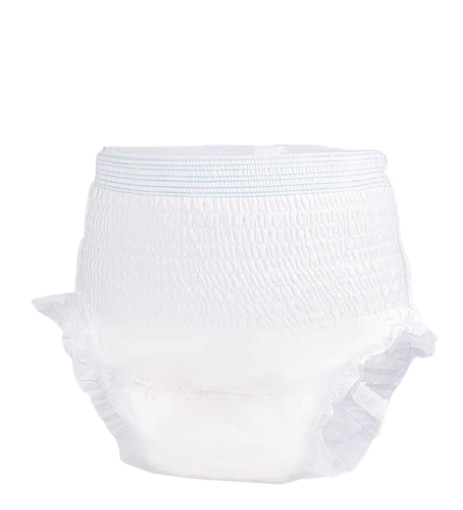
On average, babies tend to stay in Size 1 and Size 2 diapers for the longest periods. Size 1 typically lasts about 2 to 3 months, while Size 2 can last between 3 to 4 months. After this, babies start transitioning to Size 3 as they grow and gain more weight.
Diaper Size | Average Duration |
Size 1 | 2–3 months |
Size 2 | 3–4 months |
Size 3 | 5–6 months |
Several factors can influence how long your baby stays in a specific diaper size:
● Growth Rate: Some babies experience rapid growth, requiring a quicker transition to the next size. Babies may outgrow a size faster during growth spurts, which commonly happen around 3–4 months.
● Body Shape: Babies with broader waists or chubbier thighs may stay in a size longer than those with a slimmer build. Diapers fit differently depending on your baby’s body shape, which can affect the timing of the size transition.
● Diaper Absorbency: Premium diapers with better absorbency can help extend the life of a particular size. These diapers offer more protection and fewer leaks, which can result in a longer fit before needing to size up.
There are several tell-tale signs that indicate your baby’s diaper is no longer the correct size. Recognizing these signs early can help ensure that your baby stays comfortable, dry, and leak-free. Here’s what to look for:
Sign | Description |
Frequent Leaks | Leaks, especially during naps or at night, signal that the diaper may be too small and not providing enough coverage. |
Tight Fit | If the diaper feels tight around the waist or legs, it could cause discomfort and may restrict your baby’s movement. |
Difficulty Fastening | When the diaper tabs no longer reach or overlap, it’s a clear indication that the diaper is too small. The tabs should be able to fasten easily with no strain. |
Red Marks | You may notice red marks around the legs or waist after removing the diaper. This means the diaper is too tight, causing friction and discomfort. |
Lack of Absorbency | If the diaper is unable to hold up against wetness, or leaks occur even after a short time, the size might be too small for your growing baby’s needs. |
These signs indicate that your baby’s diaper is no longer providing the right fit and protection. As babies grow, their needs change, and it’s essential to transition to the next diaper size to prevent leaks and skin irritation.
A properly fitting diaper will not only reduce the chance of leaks but also increase your baby’s comfort. It’s important to remember that diapers should be snug, but not too tight, allowing your baby to move freely without causing any discomfort or restricting their movement.
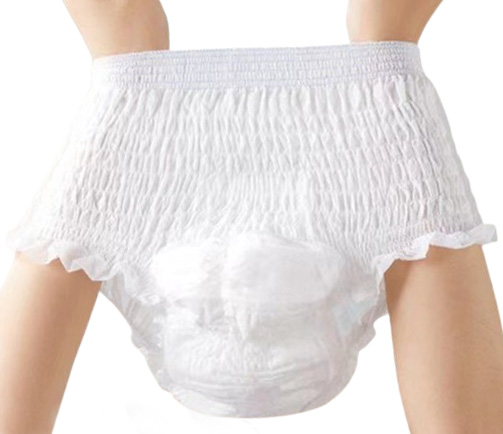
The design and quality of the diaper can affect how long your baby stays in a particular size. For instance, premium diapers with flexible waistbands, leg cuffs, and advanced absorbent cores can help your baby remain in the same size for a longer period. A well-designed diaper can accommodate your baby’s growing body while ensuring leak-free comfort.
Choosing diapers with a higher absorbency and better fit can be particularly important for longer wear. For instance, the innovative designs in premium brands are engineered to ensure that babies stay dry longer, which can help keep them in a particular size for a more extended period.
High-quality diapers, like those designed with advanced absorbency and soft materials, offer the best comfort for your baby, keeping them comfortable as they grow. These diapers help manage moisture more effectively, reducing leaks and keeping your baby dry longer. Such diapers can provide superior protection, ensuring babies stay in each size longer without discomfort.
Ensuring a good diaper fit is crucial not only for comfort but also for preventing leaks and ensuring your baby remains dry. A diaper that fits correctly will allow your baby to move freely, stay comfortable, and avoid irritation. It's important to find a diaper that is snug, but not so tight that it causes discomfort.
A proper diaper fit means the waistband should sit comfortably around the belly without causing any pressure, while the leg cuffs should form a gentle seal around your baby’s thighs. If the diaper is too loose, leaks can occur, while a diaper that’s too tight can leave red marks and cause discomfort.
Here are some tips for ensuring the best fit:
Fit Criteria | How to Ensure a Good Fit |
Waistband | The waistband should sit comfortably around your baby’s belly. It should not be tight or digging into their skin, but should provide enough elasticity to stay in place. |
Leg Cuffs | The leg cuffs should fit snugly around your baby’s thighs, but not so tight that they leave red marks. The cuffs should create a secure seal to prevent leaks, but still allow freedom of movement. |
Snugness | Ensure the diaper fits securely without any gaps at the waistband or legs. You should be able to comfortably slide two fingers under the waistband, but not too easily, as this can indicate a loose fit. |
It’s also important to regularly check the fit of your baby’s diapers as they grow. Babies often gain weight quickly, and you may need to size up even before they fully reach the maximum weight for a particular size. Checking for leaks, checking the comfort of the waistband, and observing if the diaper is leaving red marks are signs that you might need to adjust the size.
Growth spurts play a key role in how long babies stay in a particular diaper size. These spurts typically occur around 3-4 months, 6-9 months, and 12-18 months. Babies may quickly outgrow a size during these times, so parents should be prepared for rapid transitions.
Growth Spurt Timing | Effect on Diaper Size |
3–4 months | May quickly outgrow Size 1. |
6–9 months | Transition to Size 3 is common. |
12–18 months | Rapid growth may require transitioning to Size 4 or beyond. |
It’s easy to get carried away when buying diapers, but babies grow fast, and a size that fits one month may be too small the next. The key to managing diaper inventory effectively is buying smaller quantities and keeping track of your baby’s growth rate.
Strategy | Actionable Tips |
Avoid Bulk Buys | Buy a few packs of each size and adjust based on growth. |
Regular Checks | Monitor your baby’s weight and diaper fit every few weeks. |
Gradual Stocking | Stock up in multiple sizes, but don’t over-purchase any one size. |
In conclusion, babies generally stay in Size 1 and Size 2 diapers the longest. Growth patterns and body shape affect how quickly babies transition between sizes. Choosing the right size is essential for comfort and leak protection. Pay attention to your baby’s weight and growth, and adjust as needed.
Opting for high-quality diapers like those from Diapersun ensures your baby remains comfortable in each size longer. These diapers provide lasting comfort, keeping your baby dry and happy as they grow.
A: Babies typically stay in Size 1 and Size 2 diapers the longest. Size 1 usually lasts about 2-3 months, and Size 2 lasts around 3-4 months.
A: Look for signs like frequent leaks, tightness around the waist or legs, or difficulty fastening the diaper tabs. These may indicate it’s time to move to the next size.
A: Babies grow rapidly, especially in their first year. This leads to fast transitions between diaper sizes. Monitoring your baby’s weight and growth helps you keep up with their needs.
A: Yes, premium diapers with better absorbency and a flexible fit can help babies stay in each size longer, reducing leaks and improving comfort. Diapersun offers these quality diapers.


