
close
Choose Your Site
Global
Social Media
Views: 0 Author: Site Editor Publish Time: 2025-11-27 Origin: Site


Is your child ready to stop wearing diapers? Many parents wonder when the right time is for this transition. While it typically happens between 2 and 4 years old, every child is different. Factors like physical readiness, emotional maturity, and consistency in training all play a role in this milestone.
In this article, we will explore when babies generally stop wearing diapers, the signs of readiness, and tips for making the process easier. You'll also learn how to support your child's journey and ensure a smoother transition, with guidance from trusted products like those from Diapersun, designed to provide comfort and protection during the potty training process.
Generally, babies stop wearing diapers around 2 to 4 years old. Some may begin toilet training as early as 18 to 24 months, but others may take longer. The decision of when to stop depends on your baby’s development and readiness.
It's important to note that each child progresses at their own pace. While some children may show interest in using the potty earlier, others might not be ready until they are closer to 3 or 4 years old. In fact, many children may wear diapers during nap time or bedtime for several months after daytime potty training has been mastered. Factors such as the child’s physical maturity, psychological readiness, and consistency in training can significantly influence this timeline.

Look for signs of readiness such as:
● Staying dry for extended periods (typically 2+ hours).
● Showing interest in using the toilet or potty: This includes wanting to sit on the potty or watching others use it.
● Communicating the need to go: Your child might start showing clear signs such as gesturing, saying words like "pee" or "poo," or pulling at their diaper.
● Keeping bowel movements predictable: Your child may have more consistent bowel movements at certain times of the day, making it easier to anticipate when they need to go.
● Expressing discomfort when diapers are wet: Some children may start noticing when their diapers are wet or soiled and may ask for a change.
Once your child starts demonstrating these signs, it’s a good time to begin introducing potty training. However, remember that every child is different, and some may take more time to show these signs of readiness than others.
Sign of Readiness | Description |
Staying dry for longer periods | The child stays dry for at least 2 hours or wakes up from naps with a dry diaper. |
Interest in using the toilet | The child expresses interest in using the potty or toilet and may want to imitate others. |
Predictable bowel movements | The child has regular, predictable bowel movements, making it easier to plan potty breaks. |
Ability to communicate needs | The child can express when they need to go, through words, gestures, or other signals. |
Physical maturity plays a key role in when your child is ready to stop wearing diapers. Most children develop better bladder and bowel control around 3 to 4 years of age. This is when they start being able to hold their bladder for longer periods and have more consistent bowel movements. These abilities are essential for successfully transitioning from diapers to potty training.
However, some children may achieve daytime toilet training earlier, while nighttime dryness can take longer. Bedwetting is not uncommon and can persist until the age of 5 or beyond for some children. It’s important to remember that each child develops at their own pace, and early or late toilet training does not necessarily indicate a problem. Comparing your child’s progress to others can be counterproductive, as every child’s body matures differently.
In addition to physical readiness, emotional development plays a significant role in the success of potty training. Children may struggle with potty training if they are going through stressful life changes, such as moving to a new home, having a new sibling, or experiencing disruptions in their routine. These emotional stressors can cause children to regress, making them more resistant to toilet training.
Creating a stable, supportive environment is crucial in this process. When children feel emotionally secure and supported, they are more likely to embrace potty training. Stress-free potty training helps them transition with confidence, making it a smoother and more successful experience. If your child is experiencing emotional changes or stress, it may be best to wait for the right moment when they feel more settled before beginning or continuing potty training. This will ensure that the transition from diapers is positive and stress-free.
Age Range | Likely Status for Nighttime Dryness |
2 - 3 years | Nighttime diapers still needed for many children. |
3 - 4 years | Some children may start staying dry at night. |
5+ years | Most children have achieved nighttime dryness, though some may still experience bedwetting. |
The ideal age to begin potty training is when your child shows clear signs of readiness, typically between 18 and 24 months. This is when many children start becoming more aware of their bodily functions and may even start showing interest in using the toilet. However, starting potty training too early can lead to resistance, frustration, and may cause delays in the process. It’s important not to rush.
Forcing a child to start training before they are developmentally ready can create stress, which can lead to setbacks in both toilet training and the parent-child relationship. Being patient and waiting for signs of readiness is key to a smoother transition.
Before jumping into potty training, make sure your child shows several signs that they are developmentally prepared. These include:
● Staying dry for long periods: This could be during naps or throughout the day. If your child can go a few hours without needing a diaper change, it’s a strong sign that they are physically ready for potty training.
● Showing interest in using the toilet: They may express curiosity about the toilet, want to watch others use it, or even want to sit on the potty themselves.
● Ability to follow simple instructions: If your child can follow basic instructions and communicate their needs (e.g., "I need to go"), they are likely ready for potty training.
These readiness signs suggest that your child’s body and mind are ready to learn how to use the potty, making the training process smoother for both of you.
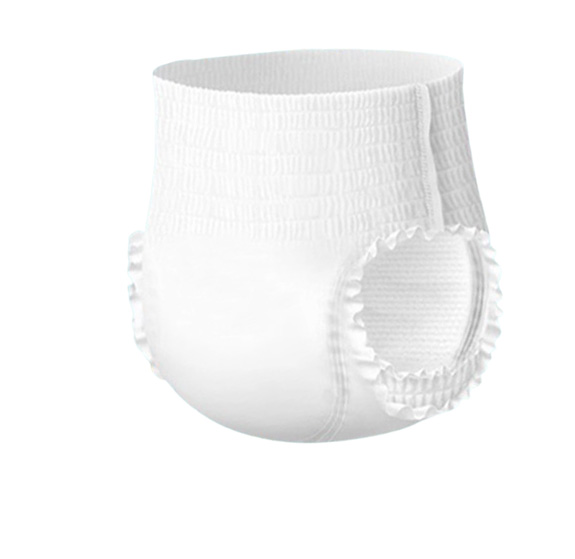
Not all children are ready to stop wearing diapers at the same age, and some may take longer than others. Developmental factors, such as the size of their bladder or their emotional readiness, play a role in how quickly they will transition. For example, children with smaller bladders may experience more accidents during the day, which can delay their readiness for potty training.
Additionally, a child’s temperament or level of interest in potty training can also affect how long it takes. It’s important to recognize that every child is unique, and some may need extra time to fully grasp the process. If your child has frequent accidents or shows little interest in training, it’s crucial to be patient and adjust expectations.
Toilet training can be emotionally challenging, both for the child and the parent. The key to success is avoiding power struggles. Don’t force your child to use the toilet if they’re not ready. Pressuring them can lead to resistance and make the process even more difficult.
Instead, create a positive and supportive environment where your child feels encouraged. Positive reinforcement is a great way to celebrate their progress. For example, reward them with praise or small incentives when they successfully use the potty.
Using fun activities, like reading potty-themed books or playing games related to toilet training, can also help keep the process light-hearted and enjoyable. Patience and consistency are crucial to avoid unnecessary stress.
Once your child is ready, transitioning from diapers to underwear is an exciting milestone. The key to making this transition smooth is to introduce underwear gradually. Start by letting your child wear underwear during the day while still using diapers at night. This allows your child to get used to the new feeling of underwear without the pressure of fully committing to it all at once.
Letting your child take the lead in choosing their own underwear can make the experience even more empowering. Whether they pick fun characters or colors they like, it gives them a sense of control over the process. This also helps them feel excited about the change.
Celebrating small successes, such as staying dry for an entire day or going potty without accidents, will help build your child’s confidence and motivation. Positive reinforcement, whether through praise, stickers, or small rewards, can make the process enjoyable and give your child a sense of accomplishment as they become more independent.
[
While most children are able to stop wearing diapers during the day between 2 and 4 years old, nighttime dryness often takes longer. Some children may stop using diapers at night by age 5, while others may continue to have accidents until later. Nighttime dryness depends on your child’s bladder control, developmental pace, and physical maturity.
It’s important to remember that nighttime potty training often comes after your child has mastered daytime potty training. It can take time for their body to regulate and develop the ability to stay dry throughout the night. Some children may need additional time to gain full control over their bladder during sleep, which is completely normal.
It’s crucial for parents to be patient during this phase. If your child still has accidents at night, don’t be discouraged. Encourage them to keep trying and reassure them that it’s a part of the learning process. You can use waterproof mattress protectors to ensure comfort and prevent any frustration for both of you.
Babies typically stop wearing diapers between 2 and 4 years old, with many showing readiness around 18 to 24 months. Signs include staying dry longer, interest in the potty, and following instructions. Each child’s timeline is different, so it’s important to be patient and supportive.
During the transition, choosing high-quality diapers, like those offered by Diapersun, can ensure comfort and protection. These products are designed to support your child’s potty training journey while keeping them dry and comfortable.
A: Babies usually stop wearing diapers between 2 and 4 years old, depending on their physical and emotional readiness. Most children show signs of readiness between 18 to 24 months.
A: Signs of readiness include staying dry for longer periods, showing interest in the toilet, and following simple instructions. Look for these signs around 18-24 months.
A: Start by letting your child wear underwear during the day while still using diapers at night. Involve them in choosing their underwear and celebrate small successes to keep them motivated.
A: Nighttime dryness often takes longer. Many children may stop using diapers at night by age 5, but some may need extra time.


