
close
Choose Your Site
Global
Social Media
Views: 0 Author: Site Editor Publish Time: 2025-12-18 Origin: Site


Every parent eventually faces the "wrestling match." You lay your baby down for a change, reach for a wipe, and suddenly they perform an "alligator death roll." You need "octopus arms" just to hold them still, let alone fasten two sticky tabs perfectly at the waist. It transforms a simple hygiene routine into an exhausting physical battle.
This struggle usually sparks a confusing question: Is my baby ready for potty training, or do they just need a diaper that fits their active lifestyle? Many parents mistakenly believe that pull-up style products are strictly for toddlers learning to use the toilet. However, modern baby diapers pants are designed specifically for high absorbency and movement, distinct from "training pants" which are made to feel wet. This guide helps you decide if switching to pants is worth the cost and effort, focusing on keeping your active baby dry and secure.
Movement is the Trigger: The switch is usually dictated by mobility (crawling/standing), not age. Common window: 6–9 months.
Not Just for Potty Training: Distinct difference between "diaper pants" (100% absorption) and "training pants" (feel wet).
The Hybrid Solution: Most parents succeed by using pants for active days and tape diapers for deep sleep or daycare.
The "Tear-Away" Tech: You do not pull poop-filled pants down; you tear the sides to remove.
Before making a purchase, it is vital to understand the landscape of diapering products. Marketing terms often overlap, leading parents to buy products that do not match their current needs. The three main categories serve different developmental stages and absorption requirements.
Tape Diapers (Traditional Nappies)
These are the standard choice for newborns and infants, typically from 0 to 6 months. They feature an open design that slides under the baby, fastened with two adhesive tabs at the waist. They offer the best adjustability for varying tummy sizes and are the easiest to change without removing a baby’s trousers or shoes.
Baby Diaper Pants (Pull-Up Diapers)
Unlike training pants, Pull-up diapers in this category are built for full containment. They feature a high-waisted, 360-degree stretchy waistband and possess the same high-absorption core as tape diapers (often rated for 12 hours). They are designed primarily for parents who need to change a standing or crawling baby quickly.
Training Pants (e.g., Easy Ups)
These are distinct from diaper pants. Training pants often feature lower absorption capacities or "cool sensation" liners. The engineering goal here is to let the child feel the wetness to encourage toilet use. Using these too early on a baby who is not potty training can result in frequent leaks and diaper rash.
A common hesitation among parents is the fear that pants-style options will leak more than traditional diapers. There is a persistent myth that because they pull on like underwear, they must be less absorbent. This is generally false for quality disposable diaper pants.
Top-tier diaper pants utilize the same Super Absorbent Polymer (SAP) technology found in tape diapers. The core difference is not the absorption, but the fit mechanics. Tape diapers rely on the parent to cinch the waist tight enough to prevent leaks. Diaper pants rely on elastic engineering to hug the curves of the legs and waist automatically. For a moving baby, the elastic often provides a superior seal against leaks compared to a tape diaper that gaps when the baby twists.
To simplify the choice, use this comparison table to identify your primary goal:
| Feature | Tape Diapers | Diaper Pants | Training Pants |
|---|---|---|---|
| Primary Goal | Easy changing for immobile babies | Dryness + Mobility for active babies | Toilet Independence + Awareness |
| Absorbency | Maximum (12+ hours) | Maximum (12+ hours) | Moderate (allows wet feel) |
| Change Style | Lying down (Supine) | Standing or Crawling | Standing (Child helps) |
| Best Age | 0–6 Months (or sleeping) | 6–24 Months | 24+ Months |
Transitioning to Pants-style nappies is rarely about a specific birthday. It is about behavior and physics. If you observe the following five signs, it is likely time to switch.
This is the most common trigger for parents. As soon as the old diaper is off, your baby refuses to lie supine. They twist their hips, flip onto their stomach, or attempt to crawl away mid-change. This behavior turns a 30-second change into a five-minute struggle. Diaper pants eliminate the need for the baby to lie still; you can simply pull them up while the baby crawls away.
Once a baby begins commando crawling, creeping on all fours, or pulling to stand, their body shape changes dynamically. Traditional tape diapers are static; if you fasten them while the baby is lying down, they may gap at the legs once the baby stands up or squats. Diaper pants are designed with 360-degree elasticity that expands and contracts with every movement, maintaining a seal during high-flex activities.
Babies are incredibly curious. Around the 9-month mark, many discover the tabs on their tape diapers. They learn that pulling these tabs releases the diaper. If you frequently find your baby naked in their crib or taking their diaper off during play, switching to pants solves this instantly. There are no front tabs for little fingers to grab and unfasten.
To keep a tape diaper secure on a crawling baby, parents often over-tighten the tabs. This can leave red "dig marks" on the stomach or thighs, which is uncomfortable for the child. Because pants rely on distributed elastic tension across the whole waist rather than two pressure points, they are often gentler on the skin of active babies.
If your baby is stable enough to stand while holding onto a sofa, coffee table, or your leg, you have unlocked the ability to do standing diaper changes. Tape diapers are notoriously difficult to put on a standing child (gravity works against you). Diaper pants, however, are designed exactly for this vertical orientation. You simply guide their feet through the holes and pull up like underwear.
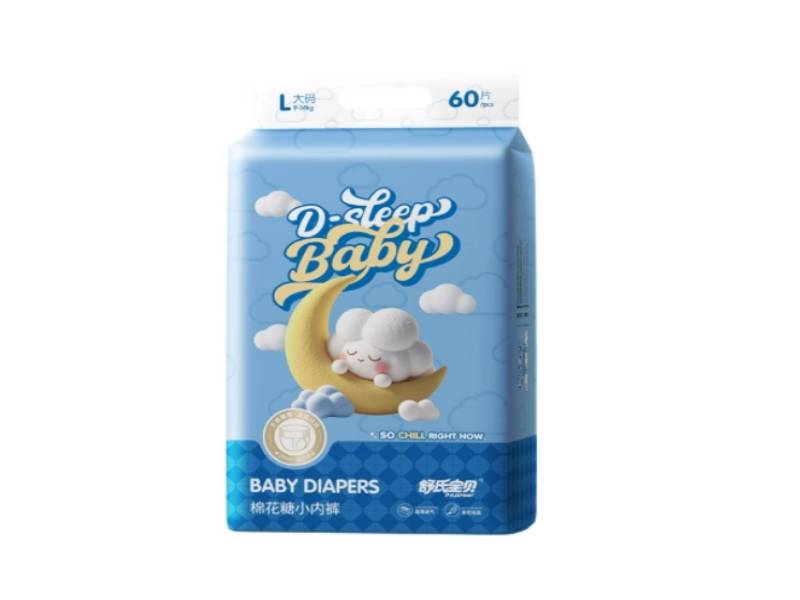
While the benefits seem obvious for an active child, the switch is not without downsides. It is important to evaluate the Return on Investment (ROI) regarding your time versus your budget.
Speed: The primary benefit is speed. There is no need to align tabs perfectly or check for symmetry. You just pull them up. This is a lifesaver when changing a baby in a public restroom or a park.
Comfort: Babies often have "Buddha bellies" that expand after eating and contract during sleep. The stretchy waistbands of Toddler pants diapers accommodate these fluctuations far better than the rigid "landing zones" of tape diapers.
Independence: Even before potty training starts, toddlers love autonomy. Pants support early independence by allowing toddlers to participate in dressing themselves, which can reduce tantrums during changing time.
The "Total Undress" Issue: This is the biggest logistical hurdle. With tape diapers, you can change a baby without removing their trousers or shoes—you just slide the diaper out. With pants, you must remove shoes and trousers completely to thread the legs through. In winter or outdoors, this exposes the baby to cold air and takes significantly longer.
Cost Per Unit: Manufacturing elastic waistbands is more expensive than adding adhesive tabs. Consequently, disposable diaper pants typically cost 15–20% more per unit than tape diapers. Over a year, this adds up significantly.
Daycare Policy Blocks: Many nurseries and daycares have strict policies banning pull-ups for children who are not actively potty training. This is because it requires staff to strip the child fully for every change, increasing labor time and hygiene risks. Always check your provider's rules before stocking up.
You do not need to switch 100% of your stock overnight. Most veteran parents use a strategic transition plan to balance cost and convenience.
The most effective strategy is the hybrid model. Use Baby diapers pants during the day's high-activity windows—playtime, park visits, and waking hours. Switch back to cheaper tape diapers for deep sleep (nighttime) or nap times. Tape diapers are often easier to adjust for a leak-proof fit on a sleeping, immobile child, and you can check them without fully undressing the baby.
Sizing is not always consistent between product lines. A common lesson parents learn the hard way is that Training pants and diaper pants often run tighter than tape diapers due to the elastic waist gathering. If your baby is on the upper end of a size in tape diapers (e.g., Size 4), it is highly recommended to "size up" immediately to Size 5 when switching to pants. This prevents side-seam chaffing and ensures the rise is high enough to contain blowouts.
The most disastrous mistake new users make is trying to pull a poop-filled diaper pant down the legs like underwear. This results in the mess smearing all the way down the baby's legs and ankles.
The Correct Protocol:
Rip the Sides: All disposable diaper pants have tear-away side seams. Rip them open from the waistband down to the leg hole.
Roll and Seal: Once the sides are torn, the product functions like a flat diaper. Roll it up carefully to contain the mess.
Use the Tape: Locate the small adhesive tab on the back of the diaper pant. Use this to seal the rolled-up bundle before disposal.
If you are struggling with standing changes, use the "Pad Trick." Before you tear off the old diaper, slide the fresh diaper pant over the baby’s feet and pull it up to their knees/shins. Then, tear the old diaper off and clean the baby. The fresh diaper is already "loaded" and ready to be pulled up instantly. This minimizes the "naked time" where accidents often happen.
Every baby’s skin is different, and some families prioritize sustainability over convenience. Here is how pants-style options fit into these scenarios.
If you use cloth diapers, you are not excluded from the pants revolution. Many brands offer "Pocket Diapers" or wool covers that function as the sustainable version of pull-ups. These usually have side snaps that allow them to function as pants or standard diapers. The pros are natural fibers (bamboo/cotton) that reduce friction rash on active legs. The con is that they are significantly bulkier, which might require buying trousers a size larger to fit over the fluff.
Parents should be aware of a specific skin issue related to pants: "elastic burn." Because the ruching (gathering) on Disposable diaper pants covers more surface area around the hips than tape tabs, sweat can get trapped in the folds. If you notice red lines that look like a rash around the hips, ensure the skin is completely dry before pulling the pants up, and consider sizing up to reduce the tension on the skin.
Deciding when to switch to diaper pants is not about following a strict age rule; it is about following "stage rules." If diaper changes have become a battle of wills, or if your baby is simply too busy exploring the world to lie down, the return on investment for diaper pants is incredibly high. They restore peace to the changing routine and offer a better fit for moving bodies.
You do not need to commit to a monthly subscription immediately. Buy a single small pack—remembering to perhaps size up one level—and test them specifically during "playtime" hours. If the wrestling match ends, you will know the switch was worth it.
A: Yes. High-quality diaper pants use the same super-absorbent core materials as standard tape diapers. They are designed for 12-hour protection. However, do not confuse them with "training pants," which intentionally have lower absorbency to help toddlers feel wet.
A: Yes, they can be worn at night. However, because you cannot adjust the waist tightness manually, some side-sleeping babies may experience leg-gap leaks. If this happens, stick to tape diapers for night sleep or try a different brand of pants with a higher rise.
A: Daycares often forbid them for hygiene and efficiency reasons. Changing a poop-filled pull-up requires removing the child's shoes and trousers completely. In a room with 10 toddlers, this adds significant labor time compared to tape diapers, which can be changed without full undressing.
A: Never pull the pants down! This will smear the mess down the baby's legs. Always tear the side seams open to remove the diaper pant exactly like a traditional diaper. Roll it up, secure it with the disposal tape on the back, and wipe as usual.


