
close
Choose Your Site
Global
Social Media
Views: 0 Author: Site Editor Publish Time: 2025-10-30 Origin: Site


Most kids stop wearing Baby Diapers during the day between 18 and 32 months. Some kids do this earlier or later. For nighttime, many kids need more time. Here is what the timing looks like:
Many kids in one study stopped using Baby Diapers during the day by 20 to 26 months.
About 78% who tried early elimination communication stopped before 18 months.
Age Range | Median Age (Months) | Group |
|---|---|---|
18–24 months | 20 | Control Group |
≥ 25 months | 26 | Children with Primary Enuresis |
Every child is different. Some kids are ready early. Others need more time. Parents sometimes worry about going too fast. This can make their child feel stressed. Trust your child’s speed and watch for their signs.
Most kids stop wearing diapers during the day between 18 months and 3 years. Each child is different, so pay attention to when your child is ready.
Watch for signs like staying dry for two hours. Your child may show interest in the potty or tell you when they need to go. These signs mean it is time to start potty training.
It usually takes longer to stay dry at night. Many kids still wear diapers at night until they are 5 or 6. This is normal for many children.
Make potty training a happy experience. Use easy words, make routines, and cheer for small wins to help your child.
Be patient and kind while your child learns. Mistakes will happen, so stay calm and help your child as they practice.
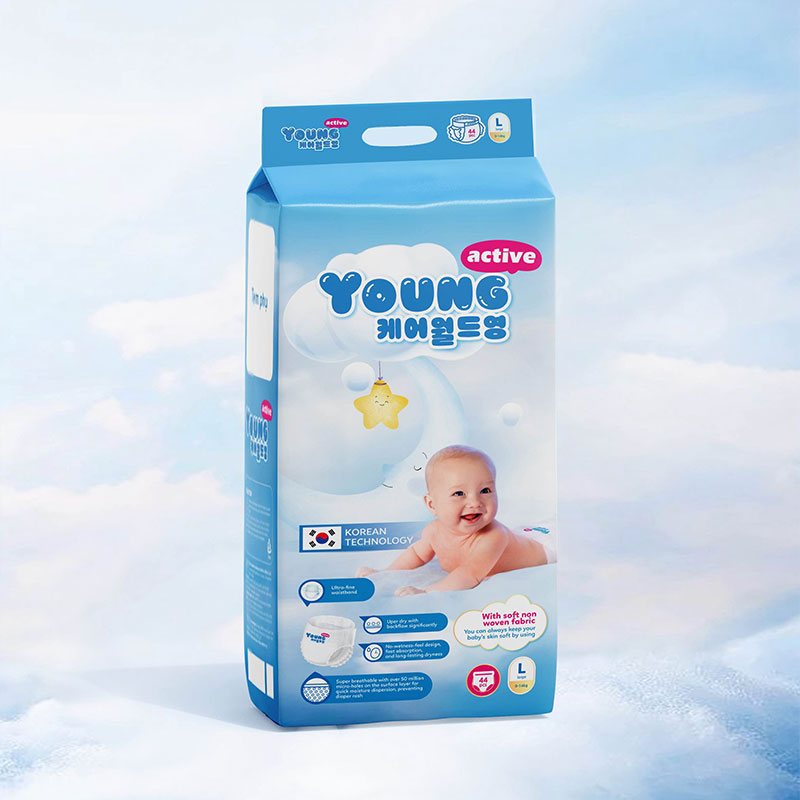
You may wonder when your child will stop using diapers in the day. Most kids learn to control their bladder around age 2. Some kids are ready as early as 18 months. Others may not be ready until they are almost 3 years old. Most kids start potty training between 18 months and 2 years. Here is what experts say:
Kids usually get daytime bladder control between 18 months and 3 years.
Many parents start potty training when their child shows interest or stays dry longer.
If your child has regular bowel habits and knows when they need to go, these are good signs.
If your child stays dry for two hours or more, or tells you when they need to go, these are strong signs it may be time to try moving away from baby diapers.
Staying dry at night takes longer than during the day. Even after your child is potty trained in the day, they may still need a diaper at night. This is normal. Nighttime bladder control can take until ages 3 or 4, or even longer. Here are some facts:
About 62% of kids who are trained in the day still use a diaper at night.
Half of these kids will almost always pee in their diaper overnight.
Around 33% of kids over age 4 still need a diaper at night.
You do not need to worry if your child takes longer to stay dry at night. Every child’s body grows at its own speed.
Every child is different, and so is their path to stopping diapers. Many things affect when your child will be ready. These include how their body grows, how they feel, and even their culture. Here is how different cultures handle potty training:
Country/Culture | Age of Initiation of EC | Notes |
|---|---|---|
USA | 21-36 months | Kids start later now than in the 1940s. |
Caucasian Parents | 25.4 months | They often start later than African American parents. |
African American | 18.2 months | They usually start earlier. |
Turkey | 22.05 months | This is the average age for starting elimination communication. |
Vietnam | 6 months | Most kids start very early. |
Sweden | 24 months | Few kids start by this age. |
Asia and Africa | Earlier initiation | Kids usually start earlier than in Western countries. |
China | 2-3 years | Traditional ways are common, but more people use disposable diapers now. |

Other things matter too. Here is a table to show what can affect when your child stops using diapers:
Factor | Description |
|---|---|
Physiological Development | Your child needs to control their bladder and bowels. This usually happens between 12-18 months. |
Psychological Readiness | Kids do better if you avoid big life changes during potty training. |
Cognitive Ability | Every child learns at their own speed. Some pick up new skills faster than others. |
Tip: Try not to compare your child to other kids. Some kids stop using diapers early, while others need more time. Both are normal.
Some people say early potty training can help prevent some problems later. The most important thing is to watch for signs your child is ready and help them at their own pace.
Every toddler moves at their own pace, but you can spot certain signs to know when your child is ready to stop using diapers. Recognizing these signals can make the transition smoother and less stressful for both of you.
You might wonder, "What are the signs to start potty training?" Here are some of the most common cues that show your child may be ready:
Your child notices when their diaper is wet or dirty and tries to pull it off.
They sometimes hide when they need to go to the bathroom.
You see them staying dry for longer periods, sometimes two hours or more.
They tell you when they are wet or messy, either before or after it happens.
They show interest in the potty or want to sit on it.
Bowel movements happen at regular, predictable times.
Your child is willing to use the potty when you suggest it.
They can pull their pants up and down by themselves.
They ask to wear underwear like a big kid.
You notice a growing desire for independence.
You may also see your toddler watching what others do in the bathroom or asking questions about it. This curiosity is a great sign that they are getting ready.
Tip: If your child starts to show discomfort with baby diapers or tries to remove them, it could mean they are ready for a change.
Knowing how to start potty training begins with careful observation. Here are some ways you can watch for readiness:
Look for independence. If your child wants to dress themselves or do things on their own, they may be ready to try the potty.
Notice if they follow simple directions. Kids who can understand and follow two-step instructions often do well with potty training.
Pay attention to communication. Your child might use words, gestures, or signs to let you know they need to go.
Watch for emotional readiness. If your child seems open to new experiences and does not get upset by changes, they may handle potty training better.
Check for longer dry periods. If your child stays dry for at least two hours, it shows they have some bladder control.
Listen for requests for underwear. When your child asks for big-kid underwear, it is a strong sign they want to stop using diapers.
Here is a quick table to help you track these cues:
Readiness Cue | What to Look For |
|---|---|
Independence | Dressing themselves, wanting to do things alone |
Interest in Potty | Watching others, asking questions, sitting on potty |
Discomfort with Diapers | Pulling at diaper, asking for a change |
Communication | Telling you before or after going, using gestures |
Longer Dry Periods | Staying dry for two hours or more |
Asking for Underwear | Requesting to wear underwear |
If you notice several of these signs, your child may be ready to begin the transition. Remember, every child is different. Some kids show all the cues at once, while others take more time. Stay patient and celebrate small steps along the way.
Note: If you are unsure, keep observing your child for a few more weeks. Readiness can come suddenly, and pushing too soon can make the process harder.
You may wonder how to begin potty training. Doctors say you should use simple steps. This helps your child feel sure of themselves. Here is an easy plan you can try:
Look for signs your child is ready. They may stay dry longer or tell you when they need to go.
Make the bathroom a happy place. Put a small potty there and let your child check it out.
Set up a routine. Ask your child to use the bathroom after waking, eating, and before sleep.
Use simple words. Tell your child what happens in the bathroom. Let them ask questions.
Cheer for small wins. Give praise, stickers, or treats when your child tries or does well.
Be patient. Accidents will happen. Stay calm and help your child.
You can also use methods like Brazelton or Azrin and Foxx. These focus on reaching goals and giving rewards. If you want more help, Diapersun’s disposable diapers and toddler diapers keep your child comfy and dry while learning.
Helping your child feel independent makes potty training easier. Try these ideas:
Pay attention to what your child likes. Let them pick their potty or underwear.
Give rewards for trying. Say good job, give stickers, or small prizes.
Let your child learn slowly. Do not rush them.
Make routines. Use pictures or talk about what comes next.
Ask your child if they want a diaper change. This lets them feel in charge.
Diapersun’s infant diapers and newborn nappies have soft sides and wetness signs. These help your child move easily and know when to change. Many parents say our baby nappies help their child feel good and brave.
“Diapersun’s diapers for toddlers are so soft and easy to use. My son loves picking out his own underwear now!” – Parent Review
Setbacks are normal when you stop using diapers. Your child may have accidents, diaper rash, or even infections. Here is how you can deal with these problems:
Stay positive. Tell your child accidents are okay.
Keep routines the same. This helps your child learn better.
Give extra help when things get tough.
Change diapers often to stop skin problems.
Use green choices like Diapersun’s infant nappies and newborn diapers. Our products use safe, airy materials and strong leak guards.
If you run out of diapers, Diapersun’s fast delivery and steady supply can help. Our smart designs, like double leak guards and lockaway channels, keep your baby dry and happy.
Ready to switch? Try Diapersun’s toddler nappies and see the change. Go to our website for more parent reviews and advice!
You now know that most kids stop using baby diapers between 18 months and 3 years, but every child is unique. What matters most is your child’s readiness, not their age. Experts agree that each child develops at their own pace, so watch for signs and move forward when your child feels ready. Setbacks are normal—patience helps everyone.
Choosing high-quality diapers can make this journey smoother. Here’s how Diapersun supports you:
Feature | How It Helps Your Child |
|---|---|
Soft, breathable design | Keeps skin comfy and healthy |
Super absorption | Prevents leaks and rashes |
Snug, elastic fit | Lets your child move freely |
Trust your child’s timeline. When you need support, Diapersun is here to help you every step of the way.
Most babies stop wearing diapers during the day between 18 months and 3 years. Nighttime dryness can take longer. Every child moves at their own pace, so watch for readiness signs.
Look for signs like staying dry for two hours, showing interest in the potty, or telling you when they need to go. These cues mean your child may be ready to start.
Many kids need diapers at night until age 5 or 6. This is normal. You can use overnight baby diapers from Diapersun to keep your child comfortable and dry.
Stay calm and positive. Accidents happen. Praise your child for trying. Clean up together and remind them that learning takes time.
Yes! Eco-friendly baby diapers, like those from Diapersun, help protect your child’s skin and the environment. They offer strong absorption and comfort for active toddlers.


